

A block heater warms the engine before startup, so cold weather doesn’t turn every morning into a hard crank. Less strain on the battery and starter, freer-flowing oil, faster cab heat — the benefits add up fast once temperatures drop near freezing. Below you’ll find when to use a block heater on a diesel, how long to plug it in, the main types, and signs of trouble worth catching early.
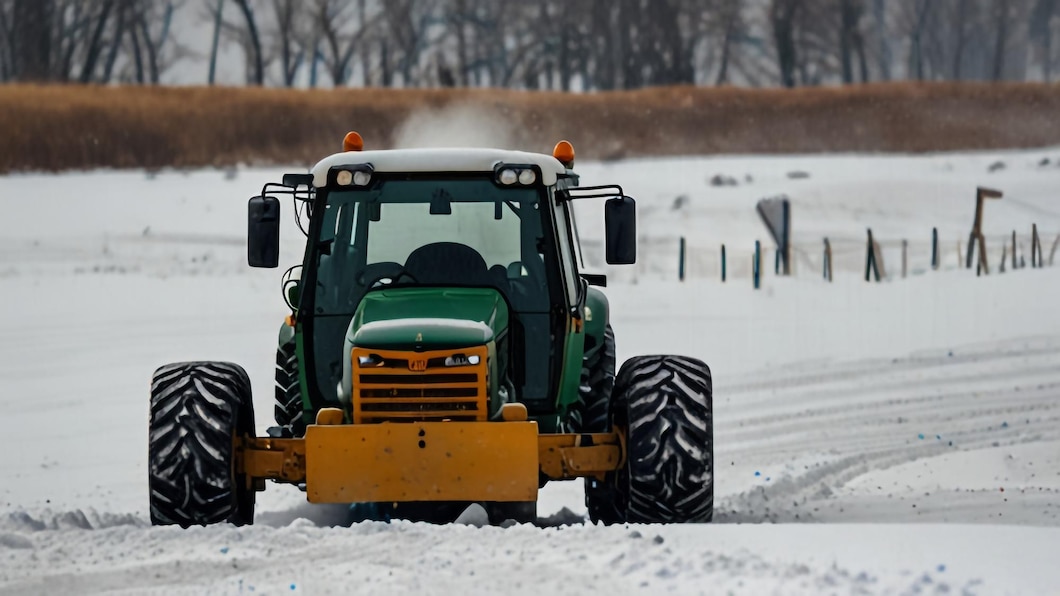
What a Block Heater Does
A block heater on a diesel is an electric device that warms the engine before startup. Most units heat the coolant in the engine block or through a connected coolant hose. As the engine warms, the oil moves more freely, and the engine starts under better conditions.
That matters in cold weather because low temperatures thicken oil and increase cranking resistance. Diesel engines are even more affected because they depend on compression heat to ignite fuel.
Main Benefits
- Easier cold starts
- Less strain on the battery and starter
- Faster cab heat
- Lower engine wear during startup
- Quicker warm-up to operating temperature
- Better reliability after sitting outside overnight
A block heater on a diesel can also reduce strain on other starting and electrical components. If your machine already struggles in the cold, it makes sense to check battery cables, starter parts, and charging system components at the same time.
When to Use a Block Heater
Knowing when to use a block heater on a diesel starts with temperature: it becomes useful once temperatures get close to freezing. For many diesel engines, it matters even more at 20°F and below. In very cold weather, plugging in ahead of time can be the difference between a normal start and a long, hard crank.
Good Times to Plug It In
- Overnight parking in freezing weather
- Morning starts after the machine sat outside
- Long periods without use during winter
- Before a full day of work in low temperatures
- After storage in cold conditions
If your machine needs to start on schedule, winter prep should not stop at the heater. It is also smart to look at glow plugs, fuel filters, starter motors, and engine sensors before cold-weather trouble shows up.
Quick Temperature Guide
| Temperature | Recommended Use |
|---|---|
| Above 50°F | Usually not needed |
| 32°F to 50°F | Helpful after storage or for easier starts |
| 20°F to 32°F | Strongly recommended for diesel engines |
| Below 20°F | Use before startup and allow more preheat time |
| Extreme sub-zero cold | Important for dependable starting |
Temperature is only part of the picture when deciding when to use a block heater on a diesel. Wind, engine size, storage conditions, and battery condition also affect how hard the engine has to work at startup.
How Long to Plug It In
Most engines do well with 2 to 4 hours of preheating. In many cases, running a block heater on a diesel longer than 4 hours does not add much. Smaller engines may warm up enough in 1 to 2 hours. Larger diesel engines in severe cold may need more time.
General Preheat Timing
- Mild cold: 1 to 2 hours
- Freezing weather: 2 to 4 hours
- Extreme cold: up to overnight if necessary
A timer can help limit wasted electricity while still warming the engine before you need it. If the engine still starts poorly after the proper preheat period, inspect fuel injectors, battery terminals, and alternator parts before winter starting issues get worse.
Common Block Heater Types
Not every Block Heater works the same way. The best choice depends on the engine, the weather, and how much heat the system needs to deliver.
Freeze Plug Heaters
These heaters install in the engine block where a core or freeze plug is located.
Best for:
- Direct engine heating
- Engine-specific applications
Things to know:
- Installation can take more time
- Coolant usually needs to be drained
- Access may be limited on some engines
Inline Coolant Heaters
These connect to a coolant hose and heat the coolant from outside the engine.
Best for:
- Easier installation
- Engines where freeze plug access is difficult
Things to know:
- Mounting position matters
- Coolant flow has to stay clear
Magnetic Heaters
These attach to a metal surface such as the oil pan.
Best for:
- Smaller engines
- Temporary or flexible use
Things to know:
- Usually less effective than coolant-based heating
- Good contact with the metal surface is important
Heater Pads and Oil Pan Heaters
These warm the oil directly through a pad attached to the oil pan.
Best for:
- Helping oil flow in cold weather
- Supporting other heating methods
Things to know:
- They do not warm the full engine like a coolant-based Block Heater
- The mounting surface must be clean for good contact
How to Install a Block Heater
Installation depends on the type of heater, but the overall process is usually straightforward. If the cooling system must be opened or access is tight, professional installation may be the safer option.
Basic Installation Steps
- Park safely and let the engine cool
- Find the correct installation point
- Gather tools and disconnect power
- Drain coolant if the setup requires it
- Install the heater in the proper location
- Route the cord away from heat and moving parts
- Refill coolant if needed
- Bleed air from the cooling system
- Plug it in and confirm operation
Installation Tips
- Match the heater voltage to the power supply
- Keep the cord away from sharp edges
- Follow the required mounting direction
- Never power the heater with no coolant in the system
- Check for leaks after startup
While working in that area, inspect radiator hoses, coolant fittings, and hose clamps. A Block Heater will do its job better when the rest of the cooling system is already in good condition.
Signs of a Failing Heater
A Block Heater does not always stop working all at once. Sometimes the first sign is simply weak performance in cold weather.
Watch for These Problems
- Hard cranking even after preheating
- No warmth around the heater after plug-in
- Breaker trips or repeated power loss
- Coolant leaks near the heater
- Cracked or damaged cord
- Burn marks near the plug
- Heater works sometimes but not every time
If the cord is damaged, replacing the cord may solve the issue. If the heater leaks or no longer produces heat, replacement is often the better fix. It also helps to inspect engine wiring harnesses, coolant system parts, and electrical connectors if the problem is not obvious.
Block Heater Buying Points
Price alone does not tell you whether a Block Heater is the right fit. The heater should match the engine, the power supply, and the temperatures your machine has to face.
What to Check Before Buying
- Vehicle or machine compatibility
- Heater type
- Wattage rating
- Voltage requirement
- Cord length and plug style
- Warranty coverage
- Available installation space
- Local winter conditions
Quick Comparison Table
| Heater Type | Typical Use | Main Advantage | Main Limitation |
|---|---|---|---|
| Freeze Plug | Engine-specific setups | Direct heating in the block | More involved installation |
| Inline Coolant | Cars, trucks, generators | Easier fitment | Depends on proper hose routing |
| Magnetic | Smaller engines | Simple to install and remove | Less complete heating |
| Oil Pan Pad | Oil warming support | Helps oil flow in low temperatures | Does not heat the full cooling system |
If your machine works through winter, it is also worth keeping fuel system parts, thermostats, and cooling system components in good shape before cold weather arrives.
Final Words
A properly matched block heater pays off in easier starts, less cold-start wear, and better winter reliability — especially when you understand when to use a block heater on a diesel, use it at the right time, and keep the starting and cooling systems in solid condition. For dependable replacement parts, FridayParts offers high-quality products at affordable prices, a vast inventory, and wide compatibility for many equipment brands.
