

If you own or service off-road machinery, the right oil grade helps with cold starts, wear control, and engine life. This guide explains what 10W-30 means in clear terms and shows where 10W-30 fits in off-road equipment. It also helps you avoid a common mistake. In heavy diesel equipment, the more useful comparison is often not 10W-30 vs 5W-30, but 10W-30 vs 15W-40.
Quick Answer
Here is the short answer. 10W-30 is a multigrade engine oil.
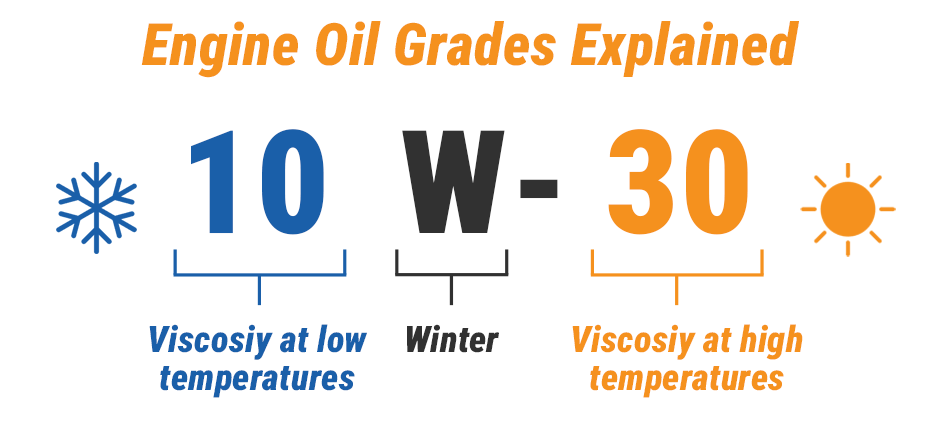
- The W means winter
- The 10 shows cold-temperature performance
- The 30 shows viscosity at operating temperature
So, what does 10W-30 mean in simple terms? It means the oil is designed to flow in cold conditions like a 10W oil and protect a hot engine like an SAE 30 oil. In off-road machinery, 10W-30 is used in some diesel and gasoline equipment, especially in moderate temperatures. However, many heavy diesel machines also use 15W-40, so the viscosity choice should match the engine type, service category, and temperature range.
Why Viscosity Matters?
Oil viscosity affects how fast oil moves at start-up and how well it holds a protective film when the engine is hot. In off-road machines, that matters because engines often run under heavy load, long idle periods, dusty conditions, and long work shifts.
The right viscosity helps:
- Reduce start-up wear
- Protect bearings and moving parts under load
- Maintain oil pressure in the normal range
- Support stable performance in changing temperatures
This is why what 10W-30 means is more than a label question. It is really about whether the oil matches the machine’s working conditions.
For off-road equipment, oil grade should match both temperature and workload, not just one or the other.
How 10W-30 Is Rated?
The numbers in 10W-30 come from the SAE viscosity grading system. In practice, these grades are defined by the SAE J300 standard. The full standard includes low-temperature limits and hot viscosity ranges, including measured viscosity at 100∘C.
You do not need the lab numbers to make a basic oil choice, but it helps to know that 10W-30 is not just a sales label. It is a defined viscosity grade with cold and hot performance targets.
What Does the W Mean?
The W means winter, not weight. It refers to low-temperature performance.
A lower winter number usually means better flow during cold starts. That is why 5W-30 flows more easily in colder weather than 10W-30.
This is also where multigrade oil matters. A single-grade oil, such as SAE 30, has one viscosity grade. A multigrade oil like 10W-30 is blended to work across a wider temperature range.
What Does the 10 Mean?
The 10 tells you about cold-start behavior. It does not mean the oil has a viscosity of “10” in a simple sense. Instead, it shows that the oil meets a certain low-temperature standard.
For off-road equipment, the cold side of the grade affects:
- Start-up speed in cool weather
- How fast does oil reach key engine parts
- Early wear during the first seconds after ignition
What Does the 30 Mean?
The 30 tells you the oil’s viscosity range at operating temperature. This affects oil film strength after the engine warms up.
For heavy equipment, that matters during:
- Long work cycles
- High load conditions
- Hot ambient temperatures
- Repeated stop-and-go operation
So, if you ask again what 10W-30 means, the most useful answer is this: it balances cold-start flow and normal hot-running protection in one oil grade.
10W-30 vs 5W-30 vs 15W-40
For off-road machinery, this comparison needs context.
In light-duty equipment, compact machines, or gasoline-powered off-road engines, 10W-30 vs 5W-30 may be a useful comparison. In heavy diesel equipment, though, the more common question is often 10W-30 vs 15W-40.

| Oil Grade | Cold Start Flow | Hot Viscosity | Common Off-Road Context |
|---|---|---|---|
| 5W-30 | Best in colder starts | SAE 30 | Some light-duty diesel or gasoline equipment |
| 10W-30 | Good in moderate cold | SAE 30 | Some diesel and gasoline off-road engines |
| 15W-40 | Thicker at cold start | SAE 40 | Common in heavy diesel equipment |
What Does This Mean in Practice?
- 5W-30 usually helps more in colder weather
- 10W-30 offers similar hot viscosity to 5W-30, but is a little thicker at start-up
- 15W-40 is thicker when hot and is widely used in heavy diesel applications
Heavy diesel engines often work under high load, high internal heat, and long operating hours. In those conditions, 15W-40 is often preferred because its thicker hot viscosity can support a stronger oil film in demanding service.
That is why heavy equipment owners should not focus only on 10W-30 vs 5W-30. For many machines, 15W-40 is the more relevant benchmark, along with the correct diesel oil service category such as API CK-4 or CJ-4, where required.
When 10W-30 Makes Sense?
10W-30 can be a good fit in off-road machinery when the engine is designed for it, and the working temperature range supports it.
Common cases include:
- Equipment working in moderate climates
- Some diesel engines allow 10W-30 for easier cold starts
- Gasoline-powered off-road machines
- Seasonal fleet use outside extreme winter conditions
- Machines where the service manual lists 10W-30 as an approved grade
During oil service, it is also reasonable to replace related maintenance items such as oil filters. That connection is direct and practical: fresh oil works best with a clean filter, especially in dusty jobsite conditions.
Reading the Grade
A simple way to read 10W-30 is this:
- The first part describes cold performance
- The second part describes the viscosity range at the operating temperature
- The full grade follows a standard, not a guess
That is why what 10W-30 means is a useful maintenance question. It helps prevent oil choices based only on habit.
The lower first number helps with cold starts. The second number shows the oil’s viscosity range once the engine is hot.
Can You Use 10W-30 Instead of 5W-30?
Sometimes yes, but not always.
If temperatures stay moderate and the engine allows both grades, 10W-30 may work well. If the machine must start in low temperatures, 5W-30 may offer faster cold flow.
Check these points first:
- Ambient temperature range
- Engine type
- Diesel or gasoline application
- Required service category
- Grade options listed in the service manual
For heavy diesel equipment, it is also worth checking whether 15W-40 is the normal reference grade. That is often the real comparison point in field use.
Maintenance Notes That Actually Relate
Oil viscosity should stay connected to real service work. The most relevant maintenance items during an oil change are those tied directly to lubrication and operating temperature.
A practical checklist includes:
- Replace the oil filter at the proper interval
- Check oil level and condition between service intervals
- Inspect for leaks around seals and lines
- Watch the oil pressure and running temperature after service
- Inspect radiators and water pumps if overheating is also present
Those last parts do not change oil viscosity, but they do affect engine temperature. Engine temperature can shape how well a given oil grade performs under load.
FAQ
Does the W mean weight or winter?
It means winter. It shows the oil’s low-temperature performance, not oil weight.
Is 10W-30 thicker than 5W-30?
Yes, at cold start, no at operating temperature. Both are SAE 30 oils when hot.
Is 10W-30 synthetic or conventional?
It can be either. 10W-30 describes viscosity grade, not base oil type. You can find it in conventional, synthetic blend, and full synthetic versions.
Is 10W-30 good for hot weather?
It can be, if the engine allows it. But in heavy diesel equipment, many machines use 15W-40 in hotter or higher-load conditions.
Can 10W-30 be used in winter?
Yes, in some climates, but it is not as cold-friendly as 5W-30. Very low temperatures may call for a lower winter rating.
What should heavy diesel owners compare 10W-30 against?
Often 15W-40, not just 5W-30. That is usually the more relevant heavy-equipment comparison.
Conclusion
For off-road equipment, 10W-30 can be the right choice when the engine allows it and the climate fits the grade. During oil service, replacing oil filters and checking cooling parts can also support engine life. If you need aftermarket parts for heavy equipment, FridayParts offers affordable options, broad compatibility, and strong stock availability.
