

If your scan tool shows code SPN 3216 FMI 20, your #1 aftertreatment inlet NOx sensor is sending wrong readings to the ECM. This sensor checks exhaust pollutant levels before the aftertreatment system filters them out. Once it sends extremely high readings, the ECM logs a fault. The engine will then cut power to lower exhaust emissions.
What Does SPN 3216 FMI 20 Mean?
- SPN 3216: This points to the Intake NOx Sensor. It sits ahead of all your main exhaust aftertreatment components.
- FMI 20: The sensor’s readings don’t make sense — it’s reading way too high.
The ECM calculates how much NOx pollutant your engine should produce depending on load. If the inlet NOx sensor’s reading runs over 200 ppm higher than the ECM’s expected value, the control unit marks the sensor unreliable. It flags the sensor as drifted high, meaning it’s stuck sending inflated readings. This throws off the entire aftertreatment system, most notably the amount of DEF the system injects.
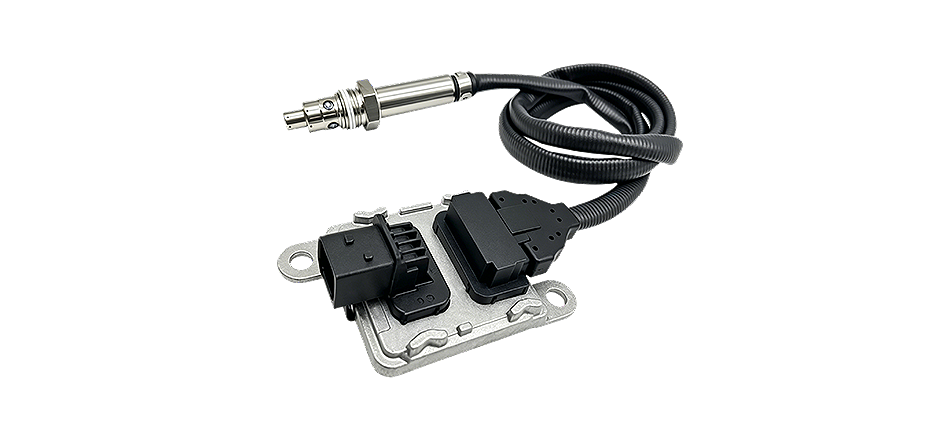
Common Symptoms of SPN 3216 FMI 20 You’ll Notice
You won’t only get a dash warning light—you’ll actually notice the machine running poorly.
- Amber or red check engine light: It stays lit the whole time this fault is present.
- Loss of power/engine derate: Your machine will feel sluggish, struggle with heavy loads, and lack power going up hills. The ECM does this to protect the engine and keep emissions within legal limits.
- 5 mph limp mode: If you ignore the problem long enough, the ECM caps your speed at just 5 mph to make you fix the issue right away.
- Worse fuel economy: Without reliable NOx sensor data, the ECM can’t run the engine or DEF system properly, so you’ll burn through more diesel.
- Intermittent warning light: The light might shut off when you restart the truck, but pop back on later. That’s a common telltale sign the sensor is starting to fail inside.
What Causes SPN 3216 FMI 20?
This code leads you to the NOx sensor, but the sensor itself isn’t always broken. Below are the most frequent culprits:
- Worn-out NOx sensor: These sensors sit in super hot, rough exhaust conditions. After enough time, they wear down and start sending false readings.
- Damaged wiring or green corrosion: Road salt and moisture eat away at the sensor’s wiring harness. Check the connector terminals for green rot. Any loose or corroded connection can trigger this fault code.
- Exhaust leaks upstream of the sensor: Leaks at clamps, gaskets or other joints before the sensor pull fresh outside air into the exhaust. The extra oxygen fools the sensor into reading falsely high NOx values.
- Partially clogged DEF injector: White crystal buildup can block the DEF spray nozzle. The aftertreatment system can’t clean exhaust gases as it should, so the ECM picks up high pollutant levels and wrongly flags the inlet NOx sensor.
- Faulty EGR system (a tricky common issue): A stuck or leaking EGR valve alters how much NOx the engine makes. Even a fully functional NOx sensor will send unusual readings, making it seem like the sensor has failed.
Step-by-Step Diagnosis
Don’t just throw a new sensor at it. A few simple checks can save you a lot of money.
- Check for Other Codes: Before you do anything else, see if there are other fault codes. If you also have a code for the outlet NOx sensor (like SPN 3226), the problem is likely bigger than just one bad sensor.
- Watch the Live Sensor Data: Use a good scan tool to look at the live NOx readings while the engine is running. If the intake sensor is stuck reading 500+ ppm even when the truck is just idling, you’ve confirmed it has “drifted high” and is likely bad.
- Inspect the Wiring: Get under the truck and physically inspect the wires and connectors running from the sensor. Tug on them gently. Look for any melted spots, rubbing, or green corrosion.
- Check for Exhaust Leaks: Look for black soot trails around clamps and gaskets between the turbo and the sensor. A soot trail is a dead giveaway that you have a leak that needs to be fixed.
How to Fix SPN 3216 FMI 20?
Fixing this code involves replacing the broken part and then telling the ECM that you did.
- Replace the Bad Part: If you’ve confirmed the NOx sensor is bad, replace it. The sensor and its control module are usually sold as one unit. If you found a wiring issue or an exhaust leak, fix that first.
- Run the SCR System Test (This is a MUST for newer trucks!): On newer engines (like GHG17 and newer models from Detroit or Cummins), just clearing the code won’t work. The engine will stay in derate mode. You must use a diagnostic tool to run an “SCR Efficiency Test” or a similar system check. This test forces the ECM to recognize the new sensor and confirm it’s working correctly.
- Check for Software Updates: Ask your shop to check if there are any ECM software updates available. Manufacturers sometimes adjust the sensor parameters to prevent false codes.
Prevention and Maintenance
- Use Good DEF: Always use fresh, high-quality Diesel Exhaust Fluid. Bad DEF is a leading cause of aftertreatment problems.
- Fix Leaks Fast: As soon as you see a soot streak, get that exhaust leak fixed. It will save your sensors down the road.
- Keep Your Engine Maintained: Regular oil and filter changes help your engine run cleaner, which means less soot to clog up your sensors.
Conclusion
SPN 3216 FMI 20 usually points to a problem with the intake NOx sensor or the aftertreatment system. Simply replacing parts may not solve the issue. After repairs, the system may need additional testing or a reset procedure to clear the fault and restore normal operation. If you need a replacement NOx sensor or other emissions system components, FridayParts offers a wide selection of reliable parts designed to fit your equipment.
