

Keeping your mower running season after season does not take a lot of work. A solid lawn mower maintenance schedule follows the seasons. Spring is the reset. Summer is about staying reliable under heavy use. Fall is the time for a full service. Winter is about storage prep. Follow that cycle, and you avoid most common problems.
Seasonal Checklist at a Glance
For quick reference, here is the whole plan in one place:
| Season | Main focus | Key actions |
|---|---|---|
| Spring | Startup and tune-up | Clean, inspect, change oil, check blade, filter, spark plug |
| Summer | In-season reliability | Clean deck, inspect airflow, monitor blade and belt wear |
| Fall | Full reset | Replace worn parts, inspect drive items, prep for cleanup and storage |
| Winter | Storage protection | Address fuel, clean thoroughly, lubricate, store dry |
Spring: The Most Important Seasonal Reset
Spring is when small problems become obvious fast. Winter storage doesn’t guarantee a mower is ready for spring work. Old fuel, degraded oil, dirty air filters, and dull blades make themselves known within the first few uses—hard starting, rough running, or poor cuts. That’s why spring is the reset point in any lawn mower maintenance plan.
Start with a full inspection and cleaning
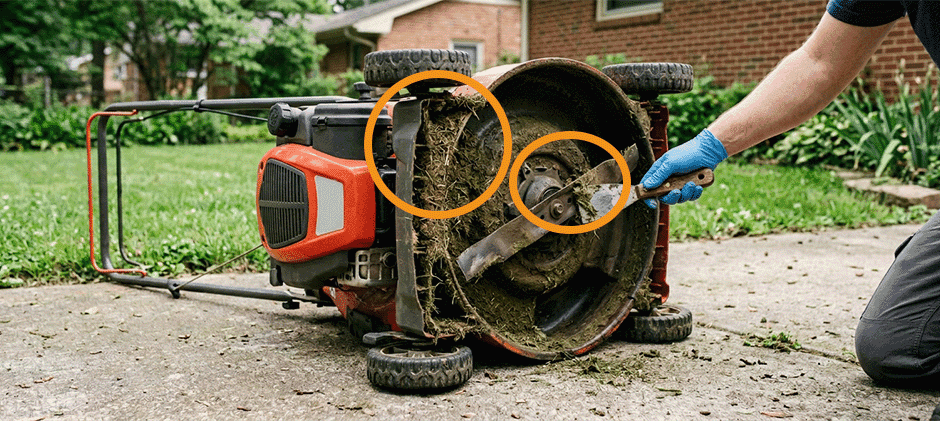
Begin with a complete visual check before the first heavy mow. Brush off old debris, remove packed grass from the underside of the deck, and inspect the machine for anything loose, bent, cracked, or worn. Pay close attention to fasteners, wheels, guards, and any points that take repeated vibration.
Cleaning matters for more than appearance. Buildup under the deck changes airflow and can reduce cutting performance. If the underside is packed with old clippings, the mower may discharge poorly and leave an uneven finish. A spring cleaning also makes leaks, wear, and damage easier to spot.
Focus on these checkpoints first:
- Clean the deck underside and housing
- Check for loose fasteners
- Inspect wheels and height adjustment points
- Look for visible damage around the blade area
- Clear dirt from around the air intake and fuel cap area
Replace the basic tune-up parts
Spring is the right time to deal with the common service items before mowing demand increases. In most cases, that means checking or replacing the spark plug, installing a fresh air filter if the old one is dirty, and changing the oil if it was not done before storage.
These are basic parts, but they affect how the mower starts, runs, and handles load. A worn spark plug can make starts slower and combustion less consistent. A dirty air filter can reduce airflow and cause weak performance. Old oil loses effectiveness over time and should not be left in place simply because the machine still turns over.
If fuel has been sitting too long, it should also be addressed before regular use begins. Fresh fuel gives a much cleaner starting point than trying to run through old gas left in the system.
Sharpen or replace the mower blade
If there’s one spring maintenance step that shows up in the results, it’s blade service. A mower can run perfectly but still cut poorly if the blade is dull or damaged. Maintenance isn’t just about the engine. It is also about the cut.
Inspect the blade for:
- Dull edges
- Chips or dents
- Bending
- Uneven wear
- Signs of imbalance
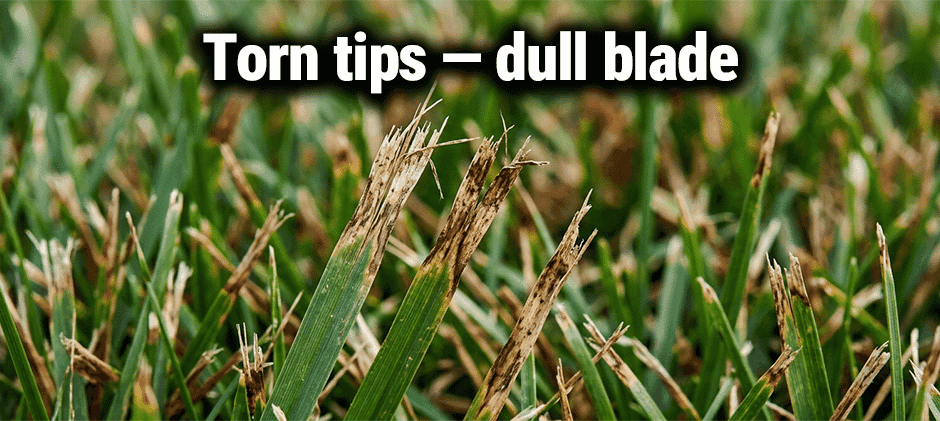
Sharp blades cut clean. Dull blades tear. Torn tips dry out and turn brown, regardless of mowing frequency. Restore the edge if you can. Replace the blade if it’s bent, cracked, or worn beyond service. A reliable lawn mower blade sharpener makes it easy to restore dull blades between replacements.
A clean cut is one of the easiest signs that spring maintenance was done right.
Summer: Maintain Reliability Under Heavy Use
Summer shifts the focus from startup prep to in-season stability. Heat, dust, dry clippings, and frequent mowing put more strain on the machine. Parts that seemed acceptable in spring may start showing weakness under repeated use. Summer Lawn Mower Maintenance is less about major service and more about staying ahead of wear before it interrupts work.
Keep the blade sharp for heat-stressed grass
Summer heat makes dull blades more damaging. Grass recovers slowly, so torn tips stay visible longer and make the lawn look worse than it is. This is most noticeable in dry conditions.
If mowing leaves brown or frayed tips, check the blade before adjusting height or blaming the weather. A sharp blade cuts clean and reduces stress on grass and machine.
For many, this is when a second blade service—sharpen or replace—becomes worth it.
Clean the deck and check airflow more often
Summer conditions make buildup happen faster. Dust loads the intake area, and clippings can pack under the deck after watering, rain, or mowing through heavier growth. That buildup reduces airflow and can affect discharge, cut consistency, and general efficiency.
A simple mid-season routine goes a long way:
- Let the mower cool after use.
- Brush off loose dust and grass.
- Inspect the underside for packed clippings.
- Check the air intake area.
- Make sure no hardware has loosened from vibration.
This is one of the simplest parts of Lawn Mower Maintenance, but it is one of the easiest to skip. When it is skipped for too long, the mower usually starts to show it in cut quality or engine response.
Watch for signs of wear during peak season
Summer is the best time to catch problems early because the mower is being used often enough to reveal them. A slight vibration, slower startup, or a weaker cut usually points to a service item that needs attention.
Use the table below as a quick in-season check guide:
| Symptom | Likely check points |
|---|---|
| Hard starting | Fuel quality, lawn mower spark plug, air filter |
| Uneven cut | Blade balance, deck buildup, wheel height |
| Extra vibration | Blade damage, loose fasteners |
| Weak blade or drive performance | Belt wear, airflow restriction |
| Rough running | Dirty filter, old fuel, spark plug condition |
If power delivery starts to feel less steady, inspect the belt system before the issue becomes more expensive. A timely mower belt replacement is usually far easier than dealing with a failure in peak mowing season.
Fall: The Best Time for a Full Reset
Fall is the best season for deeper service because the mower has already gone through its heaviest use. By this point, wear patterns are easier to identify, and there is still time to correct them before storage. Good fall Lawn Mower Maintenance reduces late-season problems and makes spring startup much easier.
Do a complete wear-parts review
This is the time to review the parts that have taken the most stress through the season. If the cut quality dropped off, if the machine vibrated more than usual, or if power transfer felt inconsistent, a full wear-parts review is worth doing before storage.
Typical fall checks include:
- Blade condition
- Belt wear
- Air filter condition
- Spark plug condition
- Oil condition
- Wheels and adjustment points
- Loose or worn fasteners
This is also a natural time for mower belt replacement or lawn mower blade replacement if either item has reached the end of its service life. A broken belt isn’t necessarily caused by wear and tear. Worn pulleys, debris stuck in the chassis, and improper belt tension can all cause a new belt to fail prematurely. Before replacing the belt, check these areas first. Replacing worn parts in the fall prevents those same parts from causing delays at the start of the next season.
Prepare for heavy cleanup and leaf mulching
Fall mowing often turns into cleanup work. Leaves, damp debris, and repeated mulching passes can place more demand on the blade and deck than regular summer mowing. A mower that seemed fine for simple cutting can start to struggle once cleanup work begins.
Before heavy leaf handling, make sure:
- The blade is sharp and balanced
- The underside of the deck is clean
- Airflow is not restricted
- Drive components are not slipping under load
If seasonal turf work includes surface prep, some owners may also consider a dethatcher blade setup where appropriate. The key is making sure the machine is mechanically ready before asking it to handle heavier material.
Use fall maintenance to simplify spring startup
Fall maintenance pays off twice. It improves late-season performance, and it reduces the amount of spring troubleshooting next year. A mower that goes into storage clean, serviced, and dry usually returns to service much faster than one parked with old fuel, dirty oil, and packed debris.
This is one of the biggest benefits of a seasonal approach. Instead of repeating the same catch-up work every spring, fall service helps close the season properly and shortens the next startup cycle.
Winter: Focus on Storage Protection
Winter maintenance is about protection, not active use. The mower may sit for weeks or months, but that downtime can still create damage if the machine is stored carelessly. Good winter prep protects the fuel system, internal engine surfaces, and exposed metal parts from avoidable wear.
Stabilize or remove old fuel
Fuel that sits too long can cause problems in the carburetor and fuel system. If the mower will not be used for an extended period, fuel should be treated properly based on the storage plan. The goal is simple: do not leave aging fuel in a condition that creates gum, varnish, or hard starting later.
This step is easy to overlook, but it has a direct effect on how the mower behaves when brought back into service.
Protect the engine and moving parts
Before storage, clean the machine thoroughly and make sure it is dry. Grass left under the deck or trapped near metal surfaces can hold moisture and increase the chance of corrosion. Once the mower is clean, inspect lubrication points and protect the moving parts that need routine attention.
Winter protection should include:
- Cleaning the deck and housing
- Checking oil condition
- Lubricating specified moving points
- Inspecting exposed hardware
- Confirming the machine is dry before storage
If the mower uses a battery, storage care matters there too. A battery left in poor conditions can shorten service life and create a weak start to the next season.
Store the mower properly for the off-season
Where the mower sits through winter matters. Store it in a dry, protected location away from direct weather exposure and unnecessary moisture. If possible, avoid leaving it where condensation, standing water, or wide temperature swings will affect it repeatedly.
Good off-season storage also includes basic battery care for applicable models and a quick recheck before the machine is left for long periods. Winter storage is the last step in the seasonal Lawn Mower Maintenance cycle, and it plays a large role in how easy spring startup will be.
Summary
The pattern is simple: spring reset, summer consistency, fall deep service, winter protection. Follow it, and you get less wear, better cuts, and fewer repairs. When it’s time to replace worn parts, FridayParts offers aftermarket options that fit right and hold up season after season.
