

The Kubota D722 oil filter is a routine service item for this compact three-cylinder diesel engine. Most readers looking it up want the same core information: the correct filter number, a dependable cross-reference method, and clear replacement steps. This guide covers those points, along with oil capacity, oil type, and a few practical service checks that help avoid common installation mistakes.
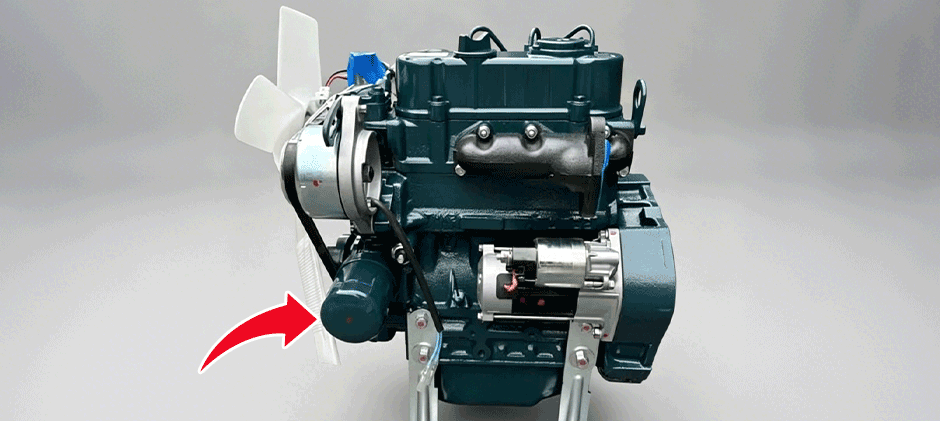
Oil Filter Part Number
Kubota’s official oil filter selection guide lists HH150-32430 for the standard-spec D722 engine. Kubota also notes that published filter listings should be confirmed against the parts information for the exact engine or machine application before ordering.
That matters because the D722 is used in different types of equipment, and mounting space or service access can vary by machine. The safest approach is to confirm the filter currently installed, then compare it with the service information for the exact application.
Before ordering, check the following:
- Read the number printed on the old filter.
- Compare it with the engine or machine manual.
- Confirm the filter matches the machine application, not only the engine family.
- Verify the thread, gasket size, and clearance if you are using a cross-reference.
This process helps avoid buying a filter that looks similar but does not seat correctly or fit the available space.
Cross-Reference Check
A Kubota D722 oil filter cross-reference can be useful when the original filter is unavailable or when you need to compare compatible replacements. The key is to confirm the specifications that determine whether the filter will fit and seal correctly.
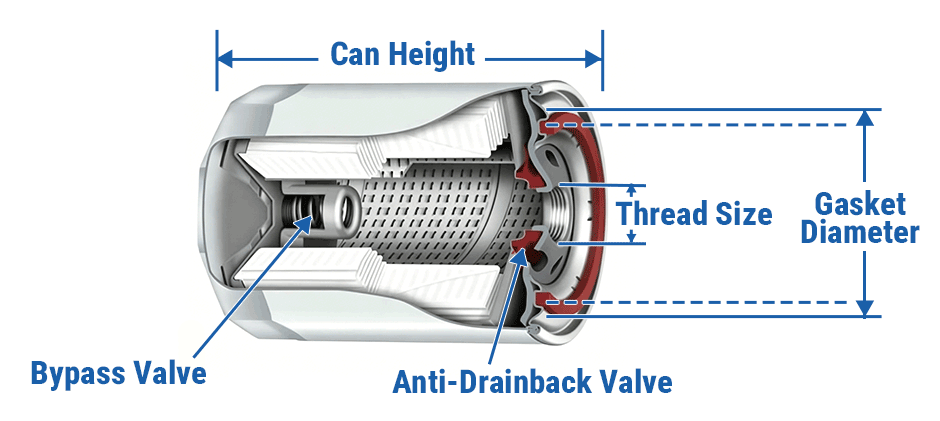
| Spec | What to Check? | Why It Matters? |
|---|---|---|
| Thread size | Must match the filter base | Incorrect threads will not install correctly |
| Gasket diameter | Inner and outer dimensions | An incorrect gasket size can lead to leaks |
| Filter height | Clearance around the mount | Prevents interference with nearby parts |
| Bypass valve | Present or not | Helps maintain oil flow if the filter becomes restricted |
| Anti-drainback valve | Present or not | Helps reduce dry starts after shutdown |
A cross-reference can save time, but it should always be followed by a fitment check. Two filters may appear similar on the outside while differing in sealing dimensions or internal valve design. The same careful approach also applies when comparing other routine service parts such as fuel filters, air filters, or hydraulic filters.
Fitment and Specifications
A part number identifies more than a canister shape. It ties the filter to a specific combination of thread size, gasket dimensions, height, and internal valve features. Even small differences can cause leaks, clearance issues, or oil flow problems.
Pay attention to these details:
- Thread size: A near match can still damage the mounting base or fail to install correctly.
- Gasket dimensions: The wrong gasket size may not seal properly under pressure.
- Can height: An oversized filter may contact guards, brackets, or the surrounding structure.
- Anti-drainback valve: This helps retain oil in the filter after shutdown and can improve lubrication at startup.
On machines that sit between uses, the anti-drainback valve is particularly useful because it helps reduce the time needed to restore full oil flow after startup.
Oil Filter Replacement
Replacing the Kubota D722 oil filter is a straightforward service task when the correct filter and oil are used.
- Warm the engine for a few minutes, then shut it off.
- Drain the used oil into a suitable pan.
- Remove the old filter and catch any remaining oil.
- Inspect the filter base and make sure the old gasket is not stuck to the mounting surface.
- Clean the mounting surface.
- Apply a light film of clean oil to the gasket on the new filter.
- Install the new filter by hand until the gasket contacts the base, then tighten according to the filter instructions.
- Refill the engine with the correct oil.
- Start the engine and let it idle briefly.
- Shut the engine down, inspect for leaks, and recheck the oil level.
Letting the engine idle briefly after replacement allows the new filter to fill before the final dipstick reading is taken.
Oil Capacity and Oil Type
Kubota engine specifications list the D722 lubricating oil capacity at 3.8 L (1.00 U.S. gal). However, installed applications can differ. For example, some D722-powered equipment may list a lower service-fill amount depending on the oil pan and installation layout. In practice, the correct method is to start with the machine or engine specification, then confirm the final level on the dipstick.
A few practical points help:
- Add oil gradually instead of all at once.
- Allow time for the oil to settle before checking the level.
- Recheck the level after the engine has run and the replacement filter has filled.
For oil type, use a diesel-rated engine oil in the viscosity grade recommended for the operating temperature and duty cycle.
Service Intervals
The filter should be replaced whenever the engine oil is changed. Service intervals should follow the maintenance schedule for the engine or machine and should be based primarily on operating hours.
Shorter intervals may be appropriate under conditions such as:
- Dusty job sites
- Heavy or continuous loads
- Extended idling
Replacing the oil and filter together keeps maintenance simple and supports stable lubrication over time. During the same service interval, operators often check related items such as fuel filters, air filters, a water pump, or a fan belt, depending on machine hours and condition.
Common Issues After Replacement
Most problems after a filter change come from either a fitment mismatch or an installation error.
- Filter will not thread on: The thread specification or part number is incorrect.
Remove it and confirm the replacement filter matches the required thread and application before reinstalling. - Leak after startup: The old gasket remained on the base, or the new gasket was damaged or not seated correctly.
Remove the filter, confirm the old gasket is gone, lightly oil the new gasket, and reinstall it correctly. - Abnormal oil pressure: The filter may be incorrect, restricted, or improperly installed.
Shut the engine down, verify the filter number and installation, and recheck the oil level before further operation.
These simple checks usually resolve the most common post-service issues quickly and safely.
Engine Model vs. Application
The engine model is the right starting point, but the machine application should be the final check. The same D722 engine may be installed in different equipment layouts, and those layouts can affect service clearance, filter access, or listed service-fill quantity.
For that reason, the most reliable confirmation comes from the current filter number plus the service information for the exact machine.
Frequently Asked Questions
What oil filter does a Kubota D722 use?
Kubota’s filter guide lists HH150-32430 for the standard-spec D722 engine. Final confirmation should still be made against the parts information for the exact application.
What is the Kubota D722 oil capacity?
Kubota engine specifications list 3.8 L (1.00 U.S. gal), but some installed machine applications may use a different refill amount. Always confirm with the machine manual and dipstick.
Can I use a cross-reference filter instead of the original?
Yes, as long as the thread size, gasket dimensions, filter height, and application all match.
Conclusion
The right Kubota D722 oil filter depends on correct fitment, the exact machine application, and careful installation. Checking thread size, gasket dimensions, filter height, and oil level after service helps prevent common problems. When reviewing maintenance records or replacement listings, some users may also compare related parts such as fuel filters, air filters, hydraulic filters, and entries associated with FridayParts.
