

If your machine is running rough, producing black smoke, or burning more fuel than normal, a faulty fuel injector may be to blame. This guide covers how to test fuel injectors and spot potential problems.
Why Are Healthy Fuel Injectors Important?
They spray fine mist fuel into the combustion chamber at exactly the right time. When injectors work properly, your engine runs with full power and uses fuel efficiently.
But once one or more injectors start failing, the whole engine system gets thrown off balance. Bad injectors trigger all kinds of issues: weaker engine performance, higher exhaust emissions. If you leave the problem unfixed for too long, it can even cause permanent damage to your engine.
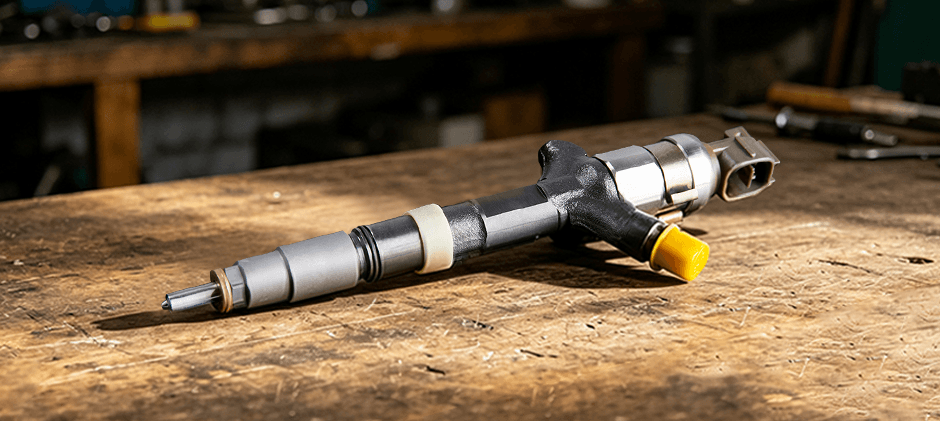
Symptoms of a Bad Diesel Fuel Injector
Your equipment will show obvious warning signs when an injector goes bad. Spotting these issues and testing the injectors right away is how you stay on top of repairs. Watch and listen for these common problems:
- Shaky idle or engine misfires: The motor will shake, sputter or run rough, mostly when idling or carrying light loads. This usually means one cylinder isn’t firing like it should.
- Too much exhaust smoke: Black smoke means the injector is pouring in too much fuel—either it’s stuck open or spraying fuel poorly. White or blue smoke can also come from faulty injectors, caused by unburned fuel and bad combustion.
- Weak power: If your machine feels slow and can’t pull loads it used to handle easily, broken fuel injectors are probably to blame.
- Burning through more fuel: Do you need to refill way more often? Leaky or worn injectors waste fuel and drive up your running costs fast.
- Tough to start: The engine struggles to turn over, especially in cold weather, because it’s not getting enough fuel to fire up properly.
Method 1: The Listening Test (A Mechanic’s Stethoscope)
Just listen to them running. Good injectors make a clear, steady click or buzz every time their solenoid triggers.
- Fire up the engine and leave it idling. Make sure you set the parking brake and shift to neutral for safety.
- Grab a mechanic’s stethoscope. If you don’t have one, carefully hold a long screwdriver—put the handle end to your ear and press the metal tip against each injector body.
- Listen closely. Every injector should produce an even, regular clicking sound.
- Compare all the noises. If one injector makes no sound at all, it’s probably broken. If its click sounds faint or choppy next to the rest, it’s starting to fail.
Method 2: The Temperature Check with an Infrared Thermometer
Working cylinders produce heat when they burn fuel. Any cylinder that’s not firing will run much colder. You can spot cold dead cylinders easily with an infrared temp gun—no need to touch the hot engine at all.
- Start the engine and let it idle for a few minutes so it warms up.
- Grab your non-contact infrared thermometer. Point it at each cylinder’s exhaust port, right up near the cylinder head.
- Write down the temperature you get for every cylinder.
- Compare all the numbers. All cylinders should sit around the same temp. If one cylinder reads way colder than the rest, its injector is almost certainly broken. No fuel burns there, so it never heats up like the others.
Method 3: The Electrical Resistance Test with a Multimeter
If your listening and temperature tests point to a specific injector, you can confirm an electrical failure using a digital multimeter. This test checks the integrity of the coil inside the injector’s solenoid. Before you begin, turn the engine off and disconnect the battery to prevent any electrical shorts or accidents.
- Disconnect the electrical connector from the fuel injector you want to test.
- Set your multimeter to the Ohms (Ω) setting. Choose a low range, typically 200 Ohms.
- Touch the multimeter probes to the two electrical terminals on the fuel injector itself. Polarity doesn’t matter for this test.
- Read the resistance. A healthy injector will have a specific resistance value, which you can find in the service manual for your machine.
- An infinite resistance (or “OL”) reading means the coil is broken internally (an open circuit).
- A zero resistance reading means the coil is shorted out.
- In either case, if the reading is far outside the manufacturer’s specification, the fuel injector is electrically faulty and needs to be replaced.
A More Advanced Check: The Injector Return Flow Test
For common rail diesel systems, this is one of the most definitive tests for diagnosing leaking injectors. A worn injector will “leak” excess fuel back to the tank through the return line instead of injecting it into the cylinder. This test measures how much fuel each injector is returning.
- You will need an injector return flow test kit, which consists of measurement bottles and hoses that connect to the return nipples on top of the injectors.
- With the engine off, carefully disconnect the factory return lines from each injector.
- Connect the hoses from the test kit to each injector’s return port.
- Start the engine and let it idle for a specific amount of time (e.g., one or two minutes, as specified by the kit or your service manual).
- Shut off the engine and compare the amount of fuel collected in each bottle. A small amount of return flow is normal, but all injectors should return a roughly equal amount. If one injector has filled its bottle significantly more than the others, it is leaking internally and must be replaced.
Final Thoughts
By listening for clicking sounds, checking temperatures, measuring resistance, and comparing return fuel flow, you can often pinpoint a bad injector without replacing parts you don’t need. Once you’ve found the faulty injector, FridayParts has reliable replacement parts to get your machine back to work. With a wide selection of quality parts, you can make repairs quickly and keep downtime to a minimum.
