

You may often see or drive a semi-truck on the highway but have you wondered how much those behemoths weigh? An empty semi-truck usually weighs about 30,000 to 35,000 pounds, while a fully loaded one weighs no more than 80,000 pounds without special permits. But how does the semi-truck weight distribute between the tractor and trailer? What if you exceed the limits? Let’s dive in together.
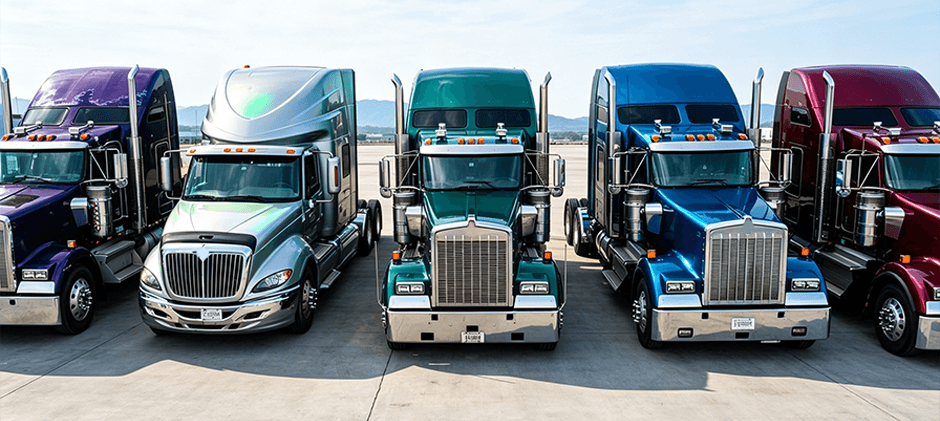
How Much Does A Semi Truck Weigh?
Most Class 8 semi trucks have a gross vehicle weight rating of over 33,001 pounds. This includes the truck itself, trailer, cargo, fuel and passengers.
At any given time, the GVWR reflects what the semi truck actually weighs on the road.
E.g.,
- Tractor: 25,000 pounds
- Trailer: ~10,000 pounds
- Cargo: ~ 15,000 pounds
- Total GVW: ~50,000 pounds
Semi Truck Weight Limit
The maximum weight a semi truck can handle is determined by its gross vehicle weight rating. As stipulated by U.S. federal law, the maximum legal loaded weight is 80,000 pounds. In some cases, you can exceed this limit on public roads if your truck has the ability to carry more and you have the special permits.
What Affects Your Semi Truck Weight?
Your semi truck weight can be impacted by several factors, including:
- Tractor size and engine type
- Trailer type and construction
- Cargo weight and distribution
- Fuel levels and additional equipment
This accounts for the significant variations in the weight of a tractor-trailer from one load to another.
Semi Truck Weight: Empty vs Full Loaded
Your semi truck weight is typically measured in two ways. That is, unladen (empty) and laden (loaded).
Unladen Semi Truck Weight
Unladen weight refers to the weight of the tractor and trailer without any cargo. This includes the truck itself, attached equipment and standard components.
- Semi tractor (only cab) weighs about 10,000 to 25,000 pounds
- An empty 53-foot trailer weighs about 10,000 pounds
- Total empty tractor-trailer weighs about 30,000 to 35,000 pounds
Factors like engine size, sleeper cab configuration and additional equipment can all affect the exact weight of your semi truck.
Laden Semi Truck Weight
Laden weight, or loaded weight, is the total weight of a semi truck when fully loaded. This includes the tractor & trailer, cargo, fuel, additional equipment and passengers. The laden weight can vary widely depending on the type of freight. For example, a truck hauling lightweight goods weighs much less than one carrying dense cargo.
Quick Summary
- An empty semi truck with trailer weighs about 30,000 to 35,000 pounds
- A loaded semi truck weighs up to 80,000 pounds
- A semi tractor only weighs 10,000 to 25,000 pounds
How Much Does the Semi Truck Trailer Weigh?
Generally, the semi truck trailer is about 10,000 pounds when empty. The weight is determined by its length:
Common Trailer Weight
- 48 feet long: 9,000 to 10,000 pounds unloaded
- 53 feet long: 10,000 to 14,000 pounds unloaded
- 28 feet long: 4.500 power unloaded
Trailer Type by Weight
- Dry van: 10,000–15,000 pounds
- Reefer (refrigerated): 12,000–16,000 pounds
- Flatbed: 8,000–10,000 pounds
Maximum Weight Limits for Semi Trucks
The loaded trailer weight depends on the size of the load being hauled. The number of axles affects how much a trailer can handle. Most trailers have two or three axles, with tri-axle trailers used for heavier loads nearing the 80,000-pound limit. If your truck has a five-axle setup and is fully loaded, the steer axle can handle 12,000 pounds, the drive axle can support 34,000 pounds and the tandem axles can support 34,000 pounds.
How Much Does the Semi Tractor (Cab) Weigh?
The weight of a semi tractor (cab) is typically around 10,000 to 25,000 pounds, depending on its configuration.
Key Factors Affecting Tractor Weight
- Engine size and manufacturer
- Day cab or sleeper cab design
- Fuel capacity and tank size
- Hauling setup and additional equipment
So, pairing the weight of the cab with an empty trailer, an unloaded semi-truck weighs about 30,000-35,000 pounds.

What Happens If Your Semi Truck Exceeds the Limit?
Exceeding the semi-truck trailer weight limit can lead to costly results for truckers and their companies. Here are common situations you may encounter when found overweight at a weigh station:
- Fines and penalties: Overweight violations can result in fines varying by state and often increasing based on how many pounds over the legal limit the truck is.
- Mandatory Offloading: In some cases, truckers must offload excess cargo before being allowed back on the road, leading to delays and additional costs.
- Points on CDL: Repeated violations can result in points against a driver’s Commercial Driver’s License (CDL), impacting their record and employability.
- Increased Liability: If an overweight truck is involved in an accident, the driver and their employer could face legal liability, higher insurance costs, or lawsuits.
Therefore, any trucker should always verify the semi-truck weight before heading out on the road to avoid these penalties and potential risks.
Does Semi Truck Weight Affect Maintenance?
Your semi tractor and trailer weight can impact the maintenance costs and the vehicle’s lifespan greatly. The heavier the load, the more strain it puts on critical truck components. Below shows how it will affect maintenance:
- Brakes & Tires: Heavier trucks mean much more stress on brakes and tires, causing them to wear out faster and requiring more frequent replacements.
- Suspension & Axles: Exceeding the semi-trailer truck weight limit can damage the suspension system and axles, leading to costly repairs.
- Engine & Transmission Wear: If you are hauling at or near the semi-truck weight limit frequently, it can shorten the lifespan of the engine and transmission.
- Fuel Efficiency: Heavier loads require more power, leading to increased fuel consumption and higher operating costs.
You can extend the lifespan of your semi-trucks through proper load distribution and regular maintenance.
Final Thoughts
The maximum loaded weight of a semi-truck is 80,000 pounds. Do not exceed or frequently operate at or near the semi-truck weight limit, as it can bring about increased maintenance costs, hefty fines and potential legal issues. For any semi-trucker, it’s wise to do regular inspections and maintenance before and after each use. At FridayParts, we are dedicated to providing a vast selection of quality truck replacement parts that are compatible with many reputable brands like Kenworth, Peterbilt, Freightliner, Volvo and more. Explore now and enjoy your new rigs.
