

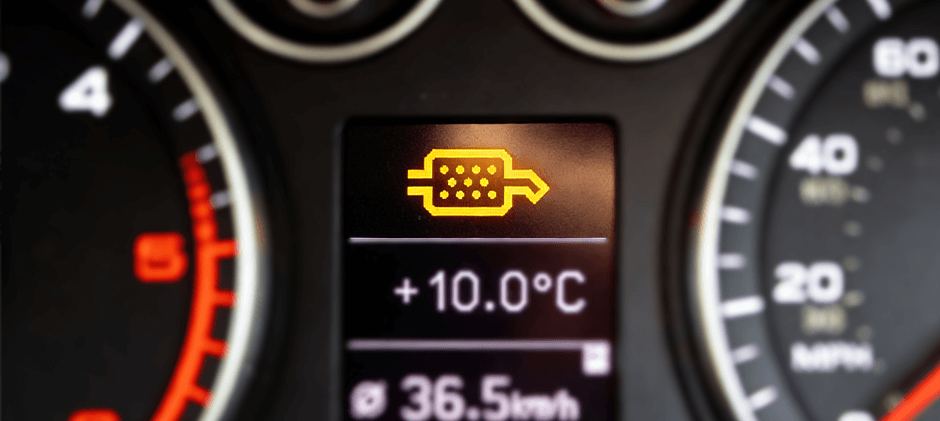
When SPN 3719 FMI 31 shows up on an off-road machine, it usually points us toward the aftertreatment system—most often the Diesel Particulate Filter (DPF) soot-loading logic and how the machine is (or isn’t) completing regeneration. The good news: this code is often solvable without major teardown if we diagnose it in a structured way. Below, we’ll explain what equipment can display it, what it commonly means, how we can fix it step-by-step, and how we can prevent it from coming back.
What Equipment Would Display this Code?
SPN/FMI codes come from the SAE J1939 standard used across many diesel-powered machines. We typically see SPN 3719 FMI 31 on off-road equipment that has a DPF-based aftertreatment system and an ECU that reports J1939 faults.
Common equipment types include:
- Wheel loaders and track loaders
- Skid steers and compact track loaders
- Excavators (mini to large)
- Dozers and track-type tractors
- Telehandlers and rough-terrain forklifts (DPF-equipped)
- Motor graders
- Agricultural tractors (Tier/Stage emissions-equipped)
- Industrial diesel power units that use DPF (some stationary applications)
A quick rule: if the machine has a DPF and performs parked or automatic regeneration, it can display soot-load-related SPNs like 3719.
What does SPN 3719 FMI 31 Mean?
Let’s translate the code in plain terms:
- SPN 3719 commonly refers to Aftertreatment 1 Diesel Particulate Filter Soot Load Percent (how “full” the DPF is with soot).
- FMI 31 is commonly interpreted as “Condition exists” (often used for an event/condition rather than a specific failed component). On some calibrations, it can behave like an informational or status-related code tied to regen status/lamps rather than a hard part failure.
So what does SPN 3719 FMI 31 usually tell us in real life?
The practical meaning
Most of the time, it means one of these situations is happening:
- DPF soot load is high enough that regeneration is required (or has been requested), and the machine is not meeting conditions to complete regen reliably.
- Regen is being interrupted (shutdowns, light-duty cycles, too much idling).
- The ECU is not confident in the soot-load calculation because an input is missing or implausible (often a sensor signal or wiring issue).
- A related aftertreatment fault exists (e.g., exhaust temperature, differential pressure), and soot load keeps climbing as a result.
Why is this code confusing?
Operators may notice the code appears after a parked regen, then disappears, then returns later. That’s common when:
- The regen starts, but doesn’t reach the right temperature/time window
- The machine returns to a low-load duty cycle that rebuilds soot quickly
- The ECU logs the condition again once thresholds are met
Related terms worth knowing
To reduce repeat faults, you usually expand the check beyond the code and look at:
- DPF soot load (calculated vs. measured)
- DPF differential pressure (how restricted the filter is)
- Exhaust temperatures upstream/downstream
- Regen history (completed vs. aborted)
- Fueling quality (over-fueling creates soot)
How to Fix SPN 3719 FMI 31?
You’ll approach this like a technician would: confirm what type of fault it is, protect the engine, then isolate the cause.
Step 1: Confirm the fault type
Before you replace anything, you should pull codes and freeze-frame data (or event data) and answer:
- Is SPN 3719 FMI 31 Active right now?
- What is the DPF soot load % at the moment?
- What is the DPF differential pressure at idle and under load?
- Are there supporting faults for exhaust temperature, pressure, or dosing?
If it’s only stored/Inactive, you treat it as a “history clue,” not proof that a part is bad today.
Step 2: Check whether regen is actually completing
Most repeat soot-load complaints come down to regen not finishing.
What you can check
- Does the machine allow parked regeneration?
- Are you meeting enabling conditions (coolant temp, rpm range, no shutdown, etc.)?
- Are you stopping the machine mid-regen (end of shift, refuel, moving machines around the yard)?
If a parked regen is available and safe to do, completing it fully is often the fastest way to drop soot load—but only if sensors are reading correctly.
Step 3: Inspect common sensor inputs (high value checks)
Soot-load logic depends heavily on temperature and pressure signals. If those signals are wrong, the regen strategy becomes unstable.
A) Exhaust/coolant temperature signals
Bad or drifting temperature readings can cause:
- regen not commanded when needed, or
- regen commanded but never reaching target heat, or
- false “conditions not met” messages.
If testing points to temperature signal problems, replacing the correct temperature sensor (coolant temp, exhaust temp, intake temp—depending on the system design) is often a clean fix.
B) Differential pressure/exhaust pressure feedback
DPF soot estimation commonly uses a pressure drop model. If the differential pressure signal is missing/implausible, soot estimation can be unreliable.
If diagnostics show a bad pressure signal, look at the tubing (soot plugging, melting, cracks) and the electrical connector. When the sensor itself is the issue, a quality pressure sensor replacement restores accurate monitoring and reduces repeat downtime.
Step 4: Verify the engine isn’t creating excess soot
Even with perfect sensors, the DPF will overload if soot production is too high for the duty cycle.
Common soot-increasing causes on off-road machines
- Extended idling and low-load work
- Restricted air filter/intake leaks
- Turbo/boost issues
- EGR system faults (where applicable)
- Poor fuel quality or water contamination
- Injector over-fueling or poor spray pattern
A practical check here is fuel balance/rate tests (tool-dependent) and smoke observation under load. If fueling is suspect, replacing worn injectors can reduce soot at the source and help the aftertreatment keep up.
Step 5: Determine whether the DPF is soot-loaded or ash-loaded
This matters because the fix changes:
- Soot load is often handled by regen.
- Ash load (from oil additives and long service life) cannot be burned off by regen. It requires cleaning or replacement.
If the machine repeatedly requests regen but returns quickly, and differential pressure stays high even after a successful regen, you may be dealing with high ash content or a physically damaged/plugged filter.
Step 6: Address wiring, connectors, and heat damage
Off-road machines shake, vibrate, and see heat cycling daily. Before replacing expensive parts:
- Check the harness routing near the exhaust
- Look for rubbed-through insulation
- Check pins for spread, corrosion, or oil intrusion
- Verify good grounds
This step is boring—but it prevents “parts darts.”
Quick troubleshooting table
| Likely cause | Common symptoms | What you check first | Typical fix |
|---|---|---|---|
| Regen not completing | Code returns after “regen,” soot keeps rising | Regen history, enabling conditions | Complete parked regen; adjust operation |
| Exhaust temp signal off | Regen fails to reach temp / frequent regens | Live temp readings vs. reality | Replace the right temperature sensor/repair the wiring |
| The DPF pressure signal is wrong | Soot estimate unstable, pressure readings erratic | Pressure lines + sensor reading | Clear/replace lines; replace pressure sensor |
| Excess soot from fueling | Smoke, higher fuel use, quick soot rise | Fuel rate/balance checks | Service/replace injectors |
| Intake restriction | Low power, black smoke, hotter EGT | Air filter, intake leaks | Replace filter, fix leaks |
| DPF ash-loaded | High restriction even after regen | Diff pressure after regen | Clean/replace DPF per spec |
How to Avoid SPN 3719 FMI 31 from Happening?
You can’t prevent every code, but you can reduce repeat events by focusing on duty cycle, maintenance habits, and early warning signals.
1) Let regens finish (and plan for them)
If the machine frequently operates at low load (yard work, short pushes, lots of idle), regen will be needed more often. What helps:
- Schedule work blocks that allow full operating temperature
- Avoid shutdown mid-regen when possible
- Train operators on what regen lamps mean on that machine
2) Keep sensors and wiring protected
Aftertreatment faults often start as heat-related harness damage. Preventive steps:
- Inspect sensor harness routing during PMs
- Replace cracked loom and missing heat shields
- Clean and secure connectors so vibration doesn’t loosen pins
3) Control soot at the source
The DPF is downstream. If the engine is smoking, over-fueling, or air-starved, soot will win.
Good prevention habits
- Replace air filters on time (or sooner in dusty conditions)
- Fix boost leaks quickly
- Use correct oil spec (wrong oil increases ash load)
- Address injector issues early (rough idle, haze, fuel dilution)
4) Use data trends, not just warning lights
If your diagnostic tool shows:
- Rising DPF differential pressure over weeks, or
- Regens are becoming more frequent. That’s a maintenance signal—act before the machine derates.
When testing points to a sensor or fueling issue, replacing the correct component is often cheaper than repeated downtime and forced regens. If you’re sourcing replacements for off-road machinery, FridayParts carries a wide selection of standard-spec aftermarket options—especially common failure items like temperature sensor, pressure sensor, and diesel injectors—so you can match by part number and get back to work faster.
Conclusion
SPN 3719 FMI 31 usually points to DPF soot-load logic and regen control—not always a single failed part. We fix it faster when we confirm whether the code is active, verify regen completion, validate temperature and pressure signals, and make sure the engine isn’t producing excess soot from air or fueling issues. With steady PM checks and operator habits that allow full regens, we can reduce repeat derates and keep off-road machines productive.
