

When you run heavy equipment, you deal with big loads every day—loading dump trucks, digging with excavators, moving pallets with forklifts. One key number behind all this is payload capacity. So, what is payload capacity? It simply means how much weight a machine can safely carry. It does not include the machine’s own weight—just the load you put on it.
What Is Payload Capacity?
Payload capacity is the maximum weight a machine can safely carry or lift. It only includes the material being moved—the “payload”—and does not include the weight of the machine itself.
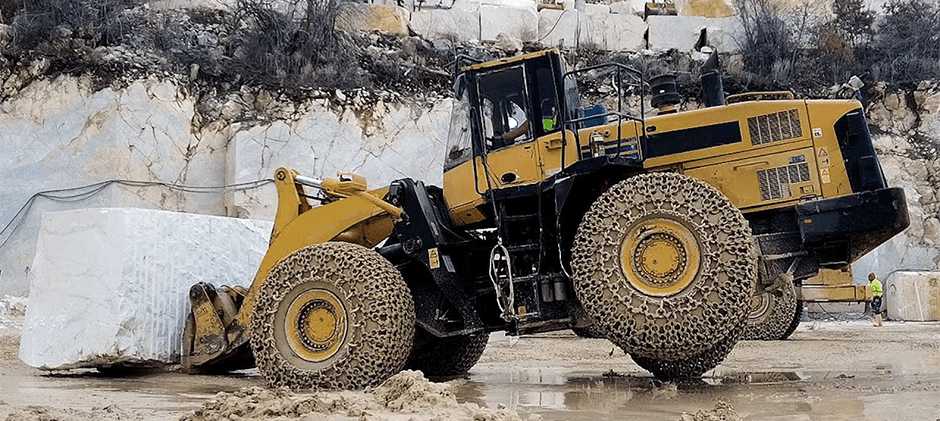
Think of it this way: if a wheel loader has a payload capacity of 5 tons, it means it can safely scoop, lift, and carry 5 tons of gravel in its bucket. The weight of the machine, the operator, and the fuel are already taken into account.
Payload Capacity on Different Equipment
For equipment like wheel loaders and skid steers, “payload capacity” is often used the same as Rated Operating Capacity (ROC). But there’s an important difference behind it.
- Tipping Load: This is the maximum weight that will make the machine start to tip forward when lifted. It’s not safe—it’s the limit where things go wrong.
- Rated Operating Capacity (ROC): This is the safe working limit. Wheel loaders: about 50% of the tipping load. Skid steers: usually 50% (sometimes 35%).
That safety margin is important because real jobs involve turning, driving, uneven ground, and sudden stops—not just lifting straight up. “Never confuse tipping load with payload capacity. Tipping load is the point of failure. Rated Operating Capacity is your safe working limit.”
For other machines, it’s more straightforward:
- Excavators: They don’t use one fixed number. Instead, they have lift charts showing how much they can lift at different distances and heights.
- Articulated dump trucks: Simple—payload is just how much weight the bed can carry.
- Forklifts: Payload is how much weight the forks can lift safely, usually shown on the data plate.
Factors Influencing Payload Capacity
The payload capacity listed in your operator’s manual is a baseline number tested under ideal conditions. In real work, several things can lower your machine’s safe payload. Ignore them, and problems will happen.
Attachments and Modifications
The standard payload is based on a factory bucket or attachment. If you switch to a bigger bucket, a grapple, or a hydraulic hammer, the extra weight matters.
The Rule: Subtract the attachment weight from the rated capacity. Example: If your loader can lift 10,000 lbs, and you change from a 1,500 lb bucket to a 2,500 lb bucket, you lose 1,000 lbs of payload.
Material Density
Not all materials weigh the same. Dry sand is much lighter than wet clay or rock. Operators often “feel” the difference, but it helps to know the numbers.
- Rock: can be over 4,000 lbs per cubic yard
- Wood chips: around 500 lbs
Terrain and Ground Conditions
The rated capacity assumes flat, solid ground. Slopes or soft ground reduce stability. Machines like loaders and forklifts rely on a balance between the wheels. On a slope, the center of gravity shifts, and the safe zone gets smaller. Lifting while facing downhill is especially risky.
Dynamic Forces
A machine standing still is stable. A moving machine is not. Movement adds extra force and risk. Key Risks:
- Driving too fast: bumps can increase force on the machine
- Sharp turns: shift weight sideways
- Sudden stops/starts: the load keeps moving and causes instability
- Golden rule: Keep the load low and move smoothly.
Why Does Payload Capacity Matter?
Safety Is Paramount
Overloading is a major cause of job site accidents. A machine that tips over can seriously injure the operator and people nearby. No job or deadline is worth that risk.
Protecting Your Investment
Overloading again and again will quickly damage your machine. The extra stress affects key parts:
- Frame and Chassis: can crack or weaken over time
- Hydraulic System: too much pressure on pumps, hoses, and seals → leaks and early failure
- Axles, Bearings, and Drivetrain: wear out much faster under heavy load
- Tires: too much heat → higher risk of blowouts
These problems don’t just mean repair costs. They also mean downtime, which can cost even more. On top of that, overloading can void your warranty, so you pay everything out of pocket.
Operational Efficiency and Profitability
Knowing your payload helps you choose the right machine for the job. The goal is to find the right balance. For example, match a wheel loader with a dump truck so it can fill the truck in about 3–4 passes. This saves time and fuel.
- Machine too small → wastes time and fuel
- Machine too big → higher cost than needed
- Use the right size, and you get better efficiency and better profits.
Payload Capacity vs. Towing Capacity: What’s the Difference?
While often talked about together, payload capacity and towing capacity are not the same thing. Payload is what you carry. Towing is what you pull.
Payload Capacity:
This is the weight placed on the machine itself. For example, dump truck: material in the bed. Loader: material in the bucket. All this weight is supported by the machine’s frame, axles, and structure.
Towing Capacity:
This is the weight a machine can pull behind it. The load sits on the trailer’s own wheels, not on the machine. What matters here is whether the machine has enough:
- power (engine)
- strength (transmission)
- control (brakes)
to move and stop the load safely. Because of this, towing capacity is usually much higher than payload capacity. It’s easier to pull a heavy cart than to carry the same weight on your back.
How to Find Your Machine’s Payload Capacity?
Finding your machine’s payload capacity is easy. It’s important info, and manufacturers make sure you can find it.
The Operator’s Manual: This is the best place to start. It shows the rated capacity, lift charts (for excavators and telehandlers), attachment info, and safety warnings.
The Data Plate / Sticker: Most machines have a plate or sticker in the cab or on the frame. It lists key info like:
- model and serial number
- operating weight
- rated capacity (ROC or payload)
For forklifts, this plate is required by law.
Manufacturer’s Website: Brands like Caterpillar, John Deere, and Komatsu list full specs online. Good for checking details or comparing machines.
If you add aftermarket parts—like a heavier bucket or extra guards—you need to adjust the payload yourself. More weight on the machine = less payload you can safely carry.
Conclusion
In short, payload capacity is a limit you need to understand and stick to. Always think about real job conditions, and don’t overload your machine.
Also, at FridayParts, we offer cost-effective aftermarket parts that fit most major heavy equipment brands—helping you reduce downtime and keep your machines running.
