

The glow plug is a unique heating element in diesel engines. Ability to help a diesel engine start in a low-temperature environment. The name of the preheating plug comes from the heating element at its top, which glows when heated. Without them, cold starts would be very difficult. Read on to learn how glow plugs work and how to ensure top working condition.
What Are Glow Plugs?
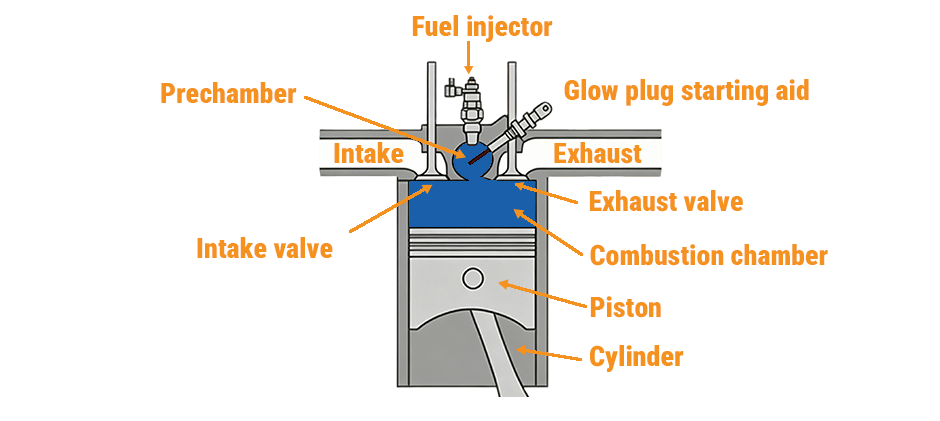
Glow plugs are basically small but powerful heaters. You’ll find one in the cylinder head of every cylinder on your diesel engine. Fire up your excavator, dozer, or tractor, and electricity flows right to these plugs. Their tips heat up very fast—often glowing bright red-hot just a few seconds.
It’s easy to confuse them with spark plugs, but they are totally different. Spark plugs in gas engines create an electric spark to ignite. Diesel engines work differently, though—Glow plugs use compression ignition. They squeeze air so hard it gets hot enough to ignite diesel fuel all by itself, no spark needed. Glow plugs just give the engine that little extra initial heat to make this work smoothly—especially when the engine’s cold.
Most glow plugs in today’s heavy-duty machines are tough, one-piece parts built to last. Older equipment might use two-piece ones, but the main job is the same: warm up the combustion chamber so your engine starts up easily and reliably every single time.
What Do Glow Plugs Do in a Diesel Engine?
Diesel engines squeeze air super hard to make heat, enough to ignite the fuel. But when it’s cold out, that metal engine block acts like a giant heat sucker. It zaps all the warmth right out of the cylinders. No heat, no ignition for the diesel fuel. That’s when glow plugs come to the rescue. Here’s how the pre-heat works, plain and simple:
Start Preheating
Turn your key to the ON position—don’t crank the engine yet. The glow plug light on the dashboard will come on. That means the plugs are heating up the cylinders.
Temperature Rises
In just a few seconds, the tips of the glow plugs heat up to around 1,000°C. This quickly boosts the cylinder temperature, making it way easier for the diesel to ignite.
Start the Engine
As soon as the glow plug light goes off, you can start the engine. The hot air plus the heat from compression makes the diesel burn instantly—and your engine fires up smooth and easy. If your glow plugs go bad, starting a cold engine is a huge hassle. You’ll crank forever, which is rough on your battery and starter motor. Worst case? The engine won’t start at all—and that’ll grind your work to a halt.
Common Issues with Glow Plugs
Glow plugs work in a brutal environment—super hot and high-pressure. Over time, they’ll wear out and quit on you. Knowing the warning signs can save you from a dead engine when you really need it. Here are the signs to notice:
- Hard to start in cold weather: If your machine gets harder and harder to fire up as the temperature drops, glow plugs are the first thing to check.
- Lots of white or gray smoke on startup: As we said before, that smoke is unburnt fuel. If it lingers more than a few seconds after the engine starts, it’s a sure sign one or more glow plugs aren’t heating up properly.
- Rough Idle Right After Starting: If the engine runs bumpy or misfires for a minute or two, then smooths out, one cylinder probably didn’t pre-heat right, and isn’t firing properly.
- Electrical Issues: Glow plugs hook up to an electrical system with a relay or controller. The rough, high-vibration work of off-road machines can corrode wires, loosen connections, or fry the controller. Sometimes the plugs are fine—it’s the parts powering them that are messed up.
- Broken Glow Plug Tip: This is usually from installing them wrong (tightening too much) or keeping a bad plug in the engine too long. A broken tip that falls into the cylinder can totally ruin your engine.
How to Maintain Glow Plugs for Optimal Performance?
Stay on top of maintenance to avoid downtime. Luckily, glow plug care is easy.
- Test them regularly: Don’t wait for something to break. Check your glow plugs during routine service. A quick resistance test with a multimeter tells you if a plug is good or bad. Good plugs have very low resistance; bad ones show infinite resistance (that means an open circuit).
- Replace all at once: If one plug fails, replace the whole set. They’ve all been through the same wear and tear for the same amount of time. If one’s gone bad, the rest are close to the end of their life. Swapping all of them together saves you labor and keeps another failure from popping up soon.
- Use the right tools and torque: When installing new glow plugs, use a torque wrench. Tighten them exactly to the manufacturer’s specs. Over-tightening can damage the plug—or even snap it off in the cylinder head. That’ll cost you a fortune to fix.
Watch the indicator light: The “wait to start” light on your dashboard gives you hints. If it doesn’t come on, flashes, or stays on too long/too short, there might be a problem with the glow plug controller acting up.
A Final Word
Glow plugs make sure your engine starts smoothly, especially in cold weather. They also help keep your engine running at its best by making fuel burn fully. Knowing how glow plugs work, fixing issues early, doing regular maintenance, and replacing faulty plugs in time are super important. Need new glow plugs? Head over to FridayParts to find the right fit for your machine. Get the correct parts fast and affordably.
