

What Is Rack and Pinion Steering?
Rack and pinion steering is the most common system in modern vehicles to facilitate steering control. It involves a gear assembly of a rack and a pinion gear. This system makes the steering feel responsive and connected, providing efficient and precise control over the vehicle’s direction. While there are several types of steering systems on the market, the two main ones are recirculating ball steering for heavy vehicles, trucks and larger SUVs, and rack and pinion steering on cars, small trucks and SUVs.
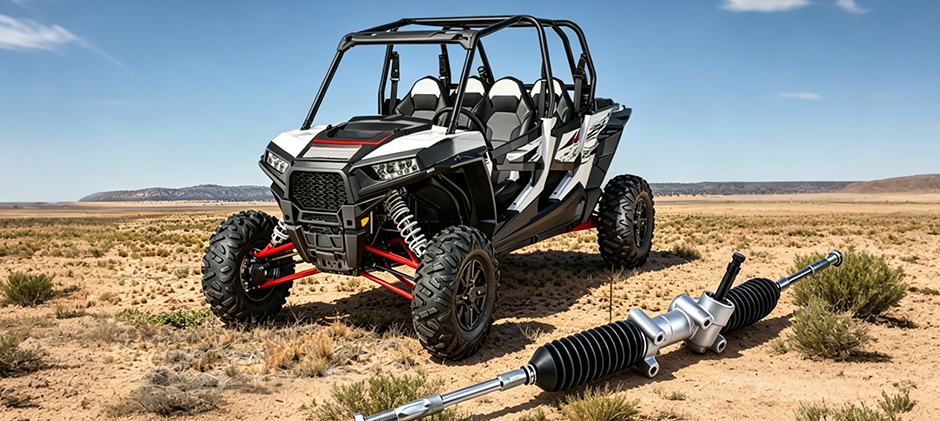
Key Components of A Rack and Pinion Steering System
The seemingly complex steering system is made of a few key components. They work together to make your every turn precise and easy. Understanding how each part functions will help you appreciate the engineering that makes your handling so smooth and reliable. The components include:
- Rack: A long bar with teeth along its length. When the pinion gear turns, it engages with the rack, causing it to move left or right. This lateral motion is then transferred to the wheels via the tie rods.
- Pinion: A small round gear connected to the steering wheel via the steering shaft. When you turn the steering wheel, the pinion rotates and engages with the rack, pushing it left or right to turn the wheels.
- Steering Shaft: The direct connection between the steering wheel and the pinion. It is typically connected to the pinion via a universal joint, which allows for flexibility while maintaining steering precision.
- Tie Rods: The connectors between the rack and the wheels. Once the rack moves, the tie rods transfer this motion to the wheels. Worn tie rods can cause loose steering or pulling to one side.
- Rack Boots: Rubber coverings that protect the inner components from dirt, debris, and moisture. A damaged rack boot can allow contaminants in, causing premature wear to the gears.
- Power Steering Assist: Found on most modern models, this system uses either hydraulic fluid or an electric motor to reduce steering effort, especially at low speeds or when parking.
How Does Rack and Pinion Steering Work?
When a rack and pinion system is paired with power steering, the two systems work together to reduce the effort required to turn the wheel. A hydraulic cylinder is built into the rack, with a piston sitting at its center. Hydraulic fluid fills both sides of the piston. When you turn the steering wheel, pressurized fluid is directed to one side of the piston, pushing it in the corresponding direction. This force assists in moving the rack, making it significantly easier to steer, especially at low speeds or when handling heavy equipment.
Advantages of Rack and Pinion Steering
Here are several benefits of rack and pinion steering.
- Superior Responsiveness and Precision: The direct connection between the steering wheel and the rack and pinion mechanism ensures immediate, accurate transmission of steering inputs to the wheels, giving drivers a more controlled and confident feel through every turn.
- Compact and Space-Efficient Design: Compared to older recirculating ball steering systems, the rack and pinion takes up significantly less space in the engine compartment, allowing for better weight distribution and improved overall vehicle performance.
- Enhanced Control and Maneuverability: The system’s direct steering response gives drivers better control in tight or challenging conditions, making tasks like quick lane changes, parking in confined spaces, and navigating narrow job sites much easier.
- Compatible with Power Steering Assist: Rack and pinion systems can be paired with hydraulic or electric power steering, reducing the effort needed to turn the wheel — especially valuable at low speeds or during heavy-duty maneuvering on job sites and in the field.
Common Rack and Pinion Steering Problems
While the rack and pinion steering system is famous for its simplicity and reliability, it can experience wear and tear over time. It’s essential to diagnose and repair any steering issues as quickly as possible to prevent more costly repairs down the road. Let’s explore some of the most typical issues you might encounter with a rack and pinion system. How do I know Power Steering Pump Is Bad or the Rack and Pinion? Click to see common signs and fixes.
Very tight steering wheel
If it is becoming more difficult to turn your steering wheel, it’s a sign that there’s probably a problem either with your steering rack or a lack of pressure from the power steering unit.
How to fix: Just add more power steering fluid. If the problem persists, check the problem at once.
Leaking power steering fluid
Over time, the hose and seals may wear out, leading to a power steering fluid leak. If you notice a reddish or brownish puddle of fluid under your vehicle, it’s a clear sign that your rack and pinion may need attention.
How to fix: Have your rack and pinion system inspected as soon as possible. Low fluid levels can cause the steering gearbox and steering rack to overheat or gears to break.
Unusual whinging, clunking or grinding when steering
If you hear whining, clunking, or grinding noises when turning the steering wheel, it’s a sign that something’s wrong with your rack and pinion system. Whining noises are often associated with low power steering fluid, while clunking or grinding sounds might indicate worn-out parts, such as the rack itself or the steering gear.
How to fix: Ask your mechanic to take a look at the problem, as your steering gearbox could need replacing.
Burning oil smell
Power steering fluid smells like burning oil, so if you smell it when driving it’s a sign that the steering gearbox is too hot.
How to fix: Stop your vehicles as soon as possible and look into the problem immediately. Driving with an overheated steering gearbox can result in fire.
Difficulty Steering or Stiffness
If you find that your steering feels unusually stiff, especially at low speeds or when turning, it could indicate a problem with your rack and pinion system. In power-assisted systems, this issue could be caused by a lack of power steering fluid, a failing pump, or an issue with the steering column or rack itself. This could be due to a leak in the system, low fluid levels, or a failing power steering pump. If the steering feels stiff even when the fluid levels are normal, it may indicate a more serious issue with the rack or pinion gears themselves, such as wear and tear on the internal components.
How to fix: If your steering feels heavy or difficult to turn, have your vehicle inspected by a professional mechanic. Continuing to drive with this issue can lead to further damage, making repairs more expensive and complicated.
Loose or Unresponsive Steering
Over time, the teeth on the rack can wear down, leading to a lack of responsiveness. Worn tie rods can also contribute to loose steering, causing the wheels to feel disconnected from the steering wheel.
How to fix: If you notice any unresponsiveness or looseness in your steering, it’s important to have your rack and pinion system examined. Worn or damaged components can affect your ability to control the vehicle, and driving with loose steering can compromise your safety.
Vibration or Shaking in the Steering Wheel
Worn-out components like the tie rods can affect the alignment of the wheels. If you feel vibrations or shaking in the steering wheel, especially when driving at higher speeds, this can be a sign that your rack and pinion system is out of alignment or that certain parts wear out. It may also indicate that the steering components are not moving as smoothly as they should be due to a lack of lubrication or wear.
How to fix: If you experience shaking in the steering wheel, it’s important to have the system inspected. The cause could be as simple as an alignment issue or as serious as a failing rack or pinion.
Difficulty Returning to Center
If your steering wheel doesn’t return to the center position after making a turn or feels off-center when driving straight, it could indicate a problem with the rack and pinion system. This is especially common in power-assisted systems and can be a result of issues with the rack’s alignment or the internal components of the steering gear.
How to fix: If your steering wheel doesn’t return to center smoothly or feels off-center, have your rack and pinion system aligned and inspected for any internal damage. Misalignment can affect the vehicle’s handling, making it harder to control and potentially unsafe to drive.
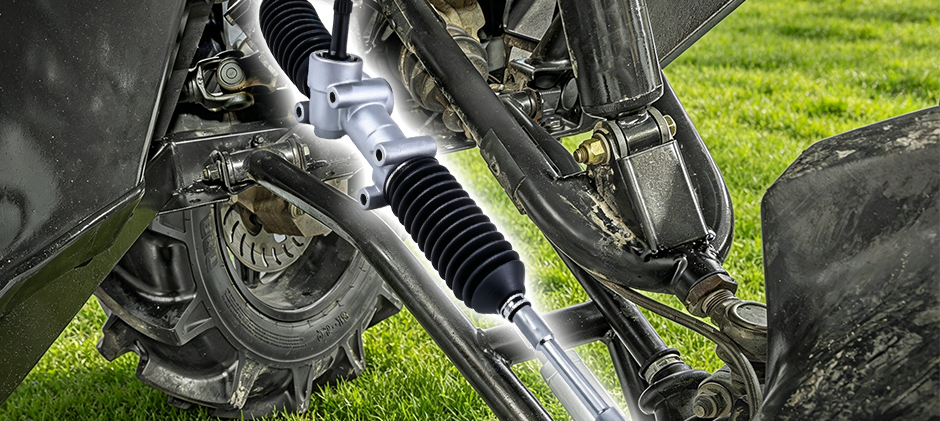
Maintenance Tips for Your Rack and Pinion System
Keeping your rack and pinion system in good condition is essential for safe and reliable steering. Here are the key maintenance steps to follow:
- Check Power Steering Fluid Regularly: Monitor fluid levels and watch for any signs of fluid leaks or contamination. A puddle of red or brownish fluid under your vehicle after parking is a clear warning sign that needs immediate attention.
- Inspect for Leaks and Damage: Periodically check around the rack, pinion, and tie rods for any visible leaks or wear. Address any issues promptly to prevent further damage to the system.
- Monitor Steering Performance: If the steering wheel becomes harder to turn, or if you hear whining or groaning noises when turning, have your system inspected. These are common signs of worn gears, leaking seals, or pinion issues.
- Avoid Overloading Your Vehicle: Exceeding your vehicle’s rated load or towing capacity puts extra strain on the rack, pinion, and tie rods. If you frequently tow heavy loads or operate on rough terrain, schedule more frequent inspections.
- Get Regular Wheel Alignments: Have your alignment checked every 6 to 12 months, or whenever you notice uneven tire wear or the steering pulling to one side.
- Replace Worn Components Promptly: Don’t delay replacing damaged or worn parts such as the tie rods or pinion. Early replacement prevents more costly repairs down the road.
Final Words
You Might Also Enjoy
Bad Power Steering Pump Symptoms, Causes and Fixes (Updated 2026)
How to Tell If a Power Steering Pump Is Bad or the Rack and Pinion?
