

Stuck with a stubborn fan clutch on your heavy equipment and no special holding tool in sight? You’re not alone. This problem is common when working in the field, but you don’t need fancy tools to solve it. This guide shows you simple, proven ways to remove a fan clutch using only everyday tools you probably already have. Let’s get your machine running again.
Why Is a Fan Clutch So Hard to Remove?
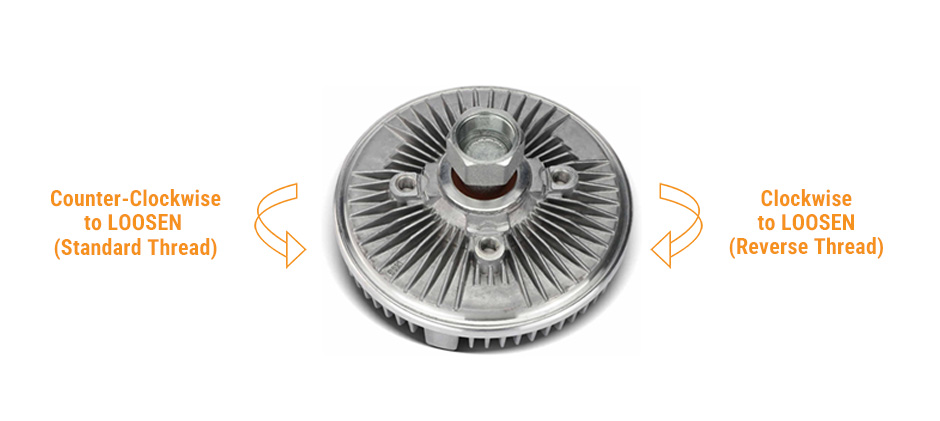
The biggest problem is that the water pump pulley spins when you try to loosen the nut that holds the fan clutch. The nut is usually very tight and may also be rusted or stuck from heat over time.
When you turn the wrench, the entire pulley and fan often turn too — so you need a way to hold the pulley still while loosening the nut.
What Should You Check Before You Start?
Preparation makes the job easier and safer. Before applying force, take a minute to check the basics and gather what you need.
1. Check the Thread Direction
Some fan clutches use reverse threads. That means you loosen it by turning clockwise (“righty‑loosey”) and tighten it by turning counterclockwise.
Check your machine’s manual if you’re unsure — turning the wrong way will only make the nut tighter and harder to remove.
2. Gather Your Basic Tools
You don’t need a special fan clutch holder. Most times, these common tools will do the job:
- A large combination wrench or adjustable wrench (32mm, 36mm, or similar)
- A hammer (ball‑peen or small sledgehammer)
- Penetrating oil
- Safety gear: gloves and eye protection
3 Methods for Fan Clutch Removal Without the Special Tool
These methods use two main ideas:
- Use sudden impact (shock) to break loose the stuck nut.
- Find a simple way to keep the pulley from spinning.
1. The Hammer‑and‑Wrench Technique
This is the easiest and most common field method. Keep the serpentine belt on, because its tension adds some resistance to the pulley.
- Place the wrench firmly on the fan clutch nut.
- Make sure the wrench handle points where you can hit it safely.
- Hit the end of the wrench sharply with your hammer in the loosening direction.
The trick isn’t brute strength — it’s a quick, sharp hit. The shock breaks the nut loose before the pulley can spin.
This method often works on the first few blows if your setup is solid.
2. The Pry Bar or Screwdriver Method
If the pulley keeps turning, try locking it in place.
- Find two nearby bolts on the water‑pump pulley face.
- Wedge a long pry bar or strong flathead screwdriver between them to stop the pulley from turning. Ideally, brace the other end of the pry bar against a solid, non-moving part of the engine for leverage.
- While holding the bar steady, use your wrench to loosen the fan clutch nut.
This method requires care to avoid bending the pulley bolts or damaging the pulley itself.
3. The Strap Wrench or Old Belt Method
If you have a strap wrench or an old serpentine belt, use it to make your own holding tool.
- Wrap the strap, wrench, or belt around the pulley.
- Pull it tight in the direction opposite to your loosening turn.
- Hold it tight while you apply pressure with your wrench.
This creates strong friction and protects the pulley from damage. It’s a safer method if you’re worried about scratching or bending metal parts.
What if the Fan Clutch Still Won’t Budge?
If the nut is badly seized, don’t panic. Try these extra steps:
- Spray penetrating oil on the nut and let it soak for 15–30 minutes.
- Tap the nut gently with a hammer to help the oil work in.
- In severe cases, an experienced mechanic can heat the nut carefully with a torch to loosen rust — but use caution, especially around fuel or plastic parts.
- As a last resort, remove the fan blades to get better access to the clutch nut.
The Final Step
Once the old clutch is off, installing the new one is simple. A bad fan clutch can cause your engine to overheat or lose power, so replacing it is an important maintenance step. Tighten the new clutch by hand first, then snug it securely using the same wrench — don’t overtighten.
For best performance, use a reliable fan clutch designed for your equipment type from a reputable source like FridayParts, so your engine stays cool and runs efficiently in tough off‑road conditions.
