

Failure of the excavator’s pressure relief valve may result in issues such as hydraulic system overload, malfunction, equipment instability, damage to hydraulic parts, and inconvenient operation. To avoid greatly impacting the equipment’s performance and safety, it is crucial to adjust and measure the relief valve’s set pressure. Have a quick look at the guide on how to adjust the pressure relief valve for your excavator.
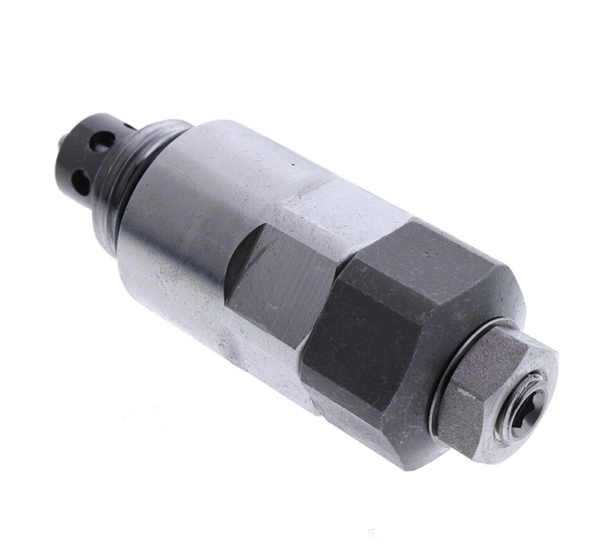
How to adjust pressure relief valve for the excavator?
1. Adjusting pressure
You should adjust the relief valve’s set pressure according to the equipment specifications. And it often involves rotating adjustment screws or knobs to increase or decrease the valve’s pressure setting.
2. Applying pressure
You can adjust the required hydraulic pressure by manipulating the control components of the hydraulic system, such as operating the hydraulic levers or pedals on the excavator.
3. Observing response
Observe the response of the relief valve as the hydraulic system applies pressure. Typically, when the pressure reaches the relief valve’s set pressure, the valve should open, releasing excess hydraulic fluid to control the system’s pressure.
4. Checking pressure
Use a pressure gauge or hydraulic measuring instrument to check the hydraulic system’s pressure. Ensure that the pressure reaches the expected set pressure before the relief valve opens and remains within a safe range after the valve opens.
5. Adjusting again
Based on observed responses and pressure readings, further adjustments may be necessary. If the relief valve fails to open at the expected pressure, adjustments to the valve’s set pressure or checks on other valve components may be required.
Only when the relief valve’s set pressure meets standards can the normal operation and safety of the hydraulic system be ensured. By the way, when adjusting the relief valve, you may also find the reason for the malfunction.
Possible reasons for the malfunction when adjusting
Pressure fluctuations
Fluctuations or instability in system pressure when applying hydraulic pressure may indicate wear or damage to internal components of the relief valve.
Pressure exceeding the set limit
If the pressure exceeds the relief valve’s set pressure without the valve opening, it may indicate incorrect set pressure settings or valve malfunctions.
Insensitive valve response
When pressure exceeds the set limit, a relief valve with a slow or inconsistent response may need adjustment or inspection of other valve components.
Continuous opening or closing
Continuous opening or closing of the relief valve without maintaining a stable state when applying pressure may indicate damage to internal components or foreign object blockage.
Abnormal noise or vibration
Hearing unusual noises or observing abnormal vibrations while operating the hydraulic system may indicate issues related to the relief valve.
Signs of a Bad Pressure Relief Valve
A faulty pressure relief valve won’t always shut down the whole hydraulic system right away. It usually shows clear warning signs first.
Weak Hydraulic Power and Slow Movement
Your excavator can’t lift loads it used to handle easily. The boom, arm and bucket all move slowly and feel underpowered.This happens when the relief valve is set at the wrong pressure and releases pressure too early, its internal spring wears out and goes soft over time, or the valve body wears down and causes internal leakage.
System Pressure Gets too High and Won’t Drop
This is really dangerous.System pressure spikes way past the safe limit, but the relief valve stays closed and never releases pressure. That means the valve is stuck shut.Dirt, sludge and tiny metal fragments get inside the valve and jam the spool so it can’t move freely.
Strange Noise, Vibration and Leaks
- Chattering and squealing: If you hear a high-pitched squeal, or a fast buzzing and tapping noise near the valve, the relief valve is rapidly opening and closing nonstop. It’s working unstablely.This is usually caused by worn valve parts, dirty hydraulic oil with contaminants, or incorrect pressure settings.
- Whole-system vibration: A bad relief valve can make the entire hydraulic system shake and vibrate noticeably.
- External and internal leaks: External leaks are easy to spot — you can see oil seeping out of the valve.Internal leaks are harder to notice. Even when the valve should stay fully closed, hydraulic oil still leaks back to the tank.This makes the machine less efficient, raises hydraulic oil temperature, and is mostly caused by worn seals or a damaged valve seat.
If any of these issues happen, you should inspect various components of the relief valve. If damaged, replacement in time is recommended. Welcome to explore replacement pressure relief valves in FridayParts.com’s main valve and relief valve catalog. We are committed to providing high-quality parts with compatibility assurance, making them easier to install than other websites.
