

Compression in a diesel engine is critical for effective and efficient performance. Low compression leads to costly damage. A simple engine compression test can help spot compression problems before things get worse. This article walks through how to perform a compression test for your diesel engine.
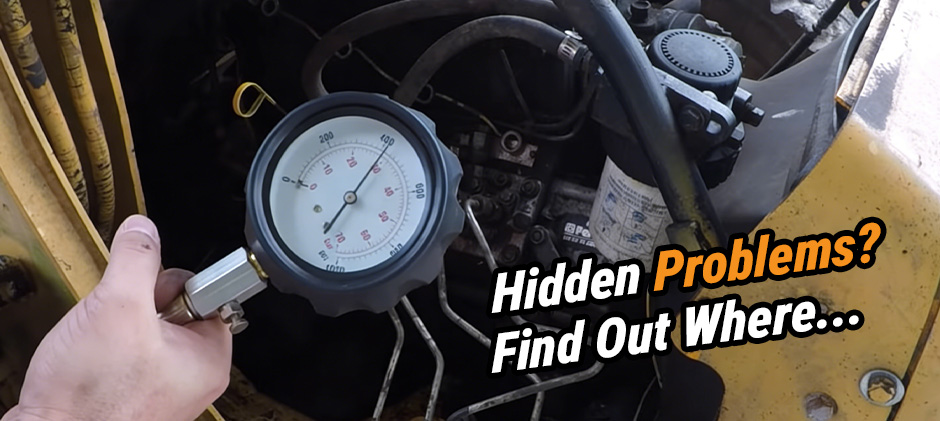
What Is A Compression Test & Why Does It Matter
An engine compression test measures the pressure inside the cylinder to evaluate how well each cylinder seals during the compression stroke of the engine cycle. Compression ignites the air-fuel mixture in a diesel engine, so any problem with cylinder pressure can reduce the engine efficiency.
The loss of compression usually results from worn piston rings, damaged valves, a blown head gasket or a cracked cylinder head. Therefore, diagnosing these issues early can prevent costly repairs and ensure your engine runs at its optimal performance.
When Should You Run A Diesel Engine Compression Test
I‘ve seen too many DIYers waste days chasing ghosts in the fuel system when the real problem was hiding inside the block. A compression test is not a preventive measure. It is an effective cure when you feel your equipment is performing poorly or notice the signs below.
- Hard starts that are not associated with low temperature
- Poor fuel economy & Increased oil consumption
- Unexplainable loss of power
- Excessive crankcase pressure
- Blue Exhaust Smoke
While a clogged filter might cause a stumble, blue smoke or high crankcase pressure usually points to cylinder failures. This tells the difference between a fuel delivery issue and an engine problem. Once you spot these signs, you must know what a healthy compression is.
What Is A Normal Compression on A Diesel Engine
You can determine whether your engine is worth saving or an overhaul by looking for specific benchmarks. As a rule of thumb, each cylinder of a healthy engine should kick out between 300 to 500 psi. Besides, all cylinders should measure within 10% variance of each other. If your highest reading is 400 psi, your lowest reading shouldn’t be under 360psi. To get these numbers right, you need more than a gauge.
Step-by-Step Guide for Diesel Engine Compression Test
The following 8 steps talk about how to do compression test and what does a compression test tell you.
Step 1: Prepare Your Tools & Equipment
To perform a compression test, you should get your equipment and compression test kit prepared first. Safety is your top priority during the test, as diesel engines operate at extremely high pressure. Before you start, you have to ensure the engine is off and cool to avoid burns and disconnect the battery to eliminate the risk of an accidental engine start during the compression test. To stop fuel from entering the combustion chamber, you should disconnect the fuel injector pump, which ensures no fuel ignites during the test and keeps you and your engine safe.
Below are all the essential tools for the test.
- A diesel compression tester for the higher pressures of diesel engines;
- A correct adapter for your engine type (glow plug or injector ports);
- A glow plug or injector removal tool to reduce damage;
- Safety glasses and gloves
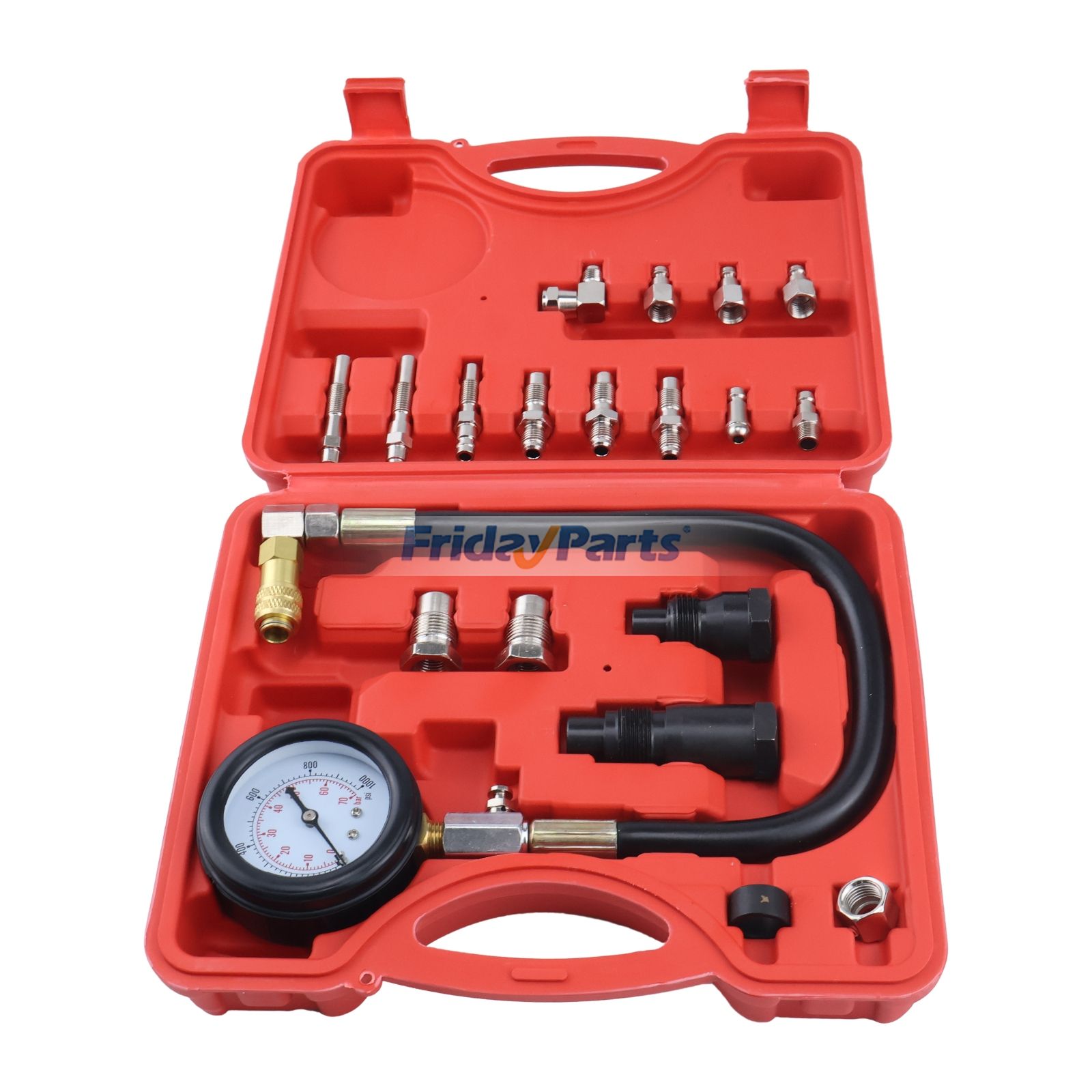
Diesel Engine Compression Tester Kit with Glow Plug & Injector Adapter
Step 2: Remove Glow Plugs or Injectors
Next, you need to access the combustion chambers to remove all cylinders’ glow plugs or injectors with a socket wrench. This process during an engine compression test, will enable the compression gauge to measure the cylinder’s pressure without interference from the combustion process, delivering more accurate and consistent compression readings. Take extra care to avoid stripping threads or damaging components. It’s also advised to label each glow plug or injector as you remove them. Improper reinstallation in the wrong cylinder can cause performance issues. Also, use a shop rag to prevent dirt or debris from falling into the cylinders. While you’re in there, it’s a good time to replace your glow plugs if they’re old.
Step 3: Put the Compression Tester in Place
Choose the correct adapter for your engine type and thread it securely to the glow plug or injector opening. Attach the compression tester gauge to the adapter and tighten the connection to avoid air leaks and inaccurate readings.
Step 4: Crank the Engine
When the tester is in place, you can crank the engine with the starter motor for 5-10 seconds. You can also keep the throttle fully open to allow maximum airflow into the cylinders. This can help get the most accurate readings. Avoid running the engine for a long time. A few cranks is enough to achieve stable reading on the gauge.
Step 5: Record the Compression Reading
Then, you should repeat steps 3 and 4 to check compression on every cylinder and record the compression results each time. Most diesel engine requires compression pressure of 350 to 450 psi. And it is relatively even across all cylinders. If one or more cylinders show significantly low compression, it could indicate issues, such as
- Damaged piston rings that cause poor sealing
- Leaking valves that prevent full compression
- Cracked cylinder head that allows pressure to escape
Step 6: Analyzing the Compression Results
After testing all the cylinders, compare your readings to the manufacturer’s specifications. This could help identify the potential problems.
- Low compression in one cylinder: This may indicate a localized issue, such as worn piston rings or damaged valves.
- Low compression across all cylinders: This could suggest a problem with timing, a failed head gasket or a worn camshaft.
- Uneven compression: This might signify poor sealing, due to carbon buildup or a bad gasket.
If low compression points to worn piston rings or a failed head gasket, replacing them early can save you from a full engine overhaul. Check our high-quality replacement piston ring kits and cylinder head gaskets here.
Step 7: Reassemble the Engine
After testing, you should reinstall the glow plugs or injectors carefully, ensuring they’re torqued to the manufacturer’s specifications. Then, reconnect the fuel or electrical components that are previously disconnected.
Step 8: Do A Final Check
Start your diesel engine and let it idle for minutes. Note if there are unusual noises, vibrations or dashboard warning lights. This helps confirm that the reassembly was successful.
Final Takeaway
Diesel engines require proper compression to deliver high performance. A compression test is one of the quickest ways to know what’s really going on inside your engine. Hard starts, blue smoke, or lost power. Don’t go chasing fuel or air problems until you know your compression results first. Catch it early and you’re looking at a simple parts fix. Once you know what needs replacing — piston rings, valve seals, head gasket — make sure you’re putting quality parts back in. A good diagnosis only matters if the repair actually holds. FridayParts provides an extensive selection of high-quality cylinder components to back up your repairs.
