

In the field of off-road machinery, a question that frequently appears in operator forums and job-site discussions is: “What is the difference between a Bobcat and a skid steer?” Suppose you once searched for parts, rental equipment, or new machines. You may have seen these two terms used interchangeably, which can create significant confusion when you need to make the correct choice for your business.
In this guide, we aim to remove such confusion. We will explain what the name “Bobcat” truly refers to, how it is related to the skid steer, and what considerations you should keep in mind when selecting equipment or attachments for off-road applications, such as site grading, trench digging, and material handling.
What Are Bobcats and Skid Steers?
At its core, a skid steer is a compact, engine-powered machine designed to perform a variety of tasks using a versatile lift-arm system that connects with multiple attachments. Meanwhile, Bobcat is a brand name — one of the earliest and most famous manufacturers of skid steers, now often used colloquially to refer to the entire machine type.
This distinction matters for off-road machinery owners — particularly when sourcing replacement parts or choosing equipment for specific terrain or load capacity.
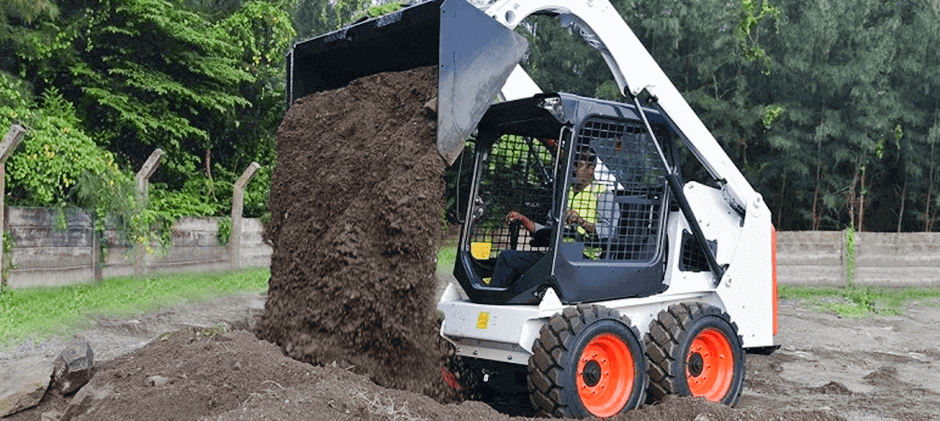
Skid Steer vs Bobcat: The Difference
Let’s make one thing clear — the difference between a skid steer and a Bobcat isn’t about machine function, but branding and build philosophy.
| Comparison Point | Skid Steer (General) | Bobcat (Brand) |
|---|---|---|
| Definition | A type of compact loader used for diverse off-road work. | A brand that manufactures various types of skid steers and compact loaders. |
| Manufacturer | Produced by multiple brands like Case, JCB, and others | Manufactured exclusively by the Bobcat Company. |
| Innovation Level | Varies between brands and models. | Known for strong hydraulic performance and user comfort. |
| Versatility | Dependent on attachment compatibility. | Supports the Bob-Tach system for seamless attachment swaps. |
| Market Perception | Generic category of machine. | Viewed as premium or industry-standard for skid steers. |
For off-road operators, understanding this distinction helps when you’re ordering replacement components — since compatibility can depend on model-specific design, not just the word “skid steer.”
About Skid Steer in Off-Road Operations
A skid steer loader is compact, agile, and powerful, making it one of the most useful tools in rough-terrain environments — from rocky hill grading to forestry clearings.
Key Characteristics:
- Rigid Frame Design: Provides structural stability even under high lateral loads.
- Skid Turning System: The machine turns by skidding its wheels or tracks — giving it unmatched maneuverability.
- Attachment Flexibility: Can switch between dozens of tools like augers, grapples, trenchers, and snow blowers.
- Compact Power: Smaller frame sizes make it an excellent choice for confined off-road spaces or farm trails.
Common Configurations:
- Wheeled Skid Steers: Quicker on hard or dry terrain; ideal for compact jobsites.
- Tracked Skid Steers: Better traction on soft, uneven, or wet surfaces, commonly used in forestry and grading projects.
That’s why you’ll find skid steers doing the work of tractors, excavators, and forklifts all at once — often with less cost and downtime.
About Bobcat in Skid Steers
Bobcat Company originated in the U.S. in the 1940s and pioneered compact loaders that reshaped how small to mid-size jobsites operate. Over time, the company became synonymous with reliability, attachment compatibility, and service support.
Why Bobcat Stands Out:
- High Hydraulic Flow: Delivers powerful attachment performance.
- Operator Comfort: Spacious cabs, climate control, visibility-focused designs.
- Build Strength: Reinforced arms and heavy-duty frames suited for long-term off-road abuse.
- Attachment Ecosystem: Bobcat’s proprietary systems ensure smooth coupling with third-party and OEM attachments.
Bobcat machines are often used in agriculture, landscaping, mining prep sites, and utility trenching, but they’ve expanded far beyond — earning their place as a benchmark for off-road compact loaders.
Choosing Between Bobcat and Other Skid Steers
When deciding between a Bobcat skid steer and another skid steer brand, you’re not comparing machine type — you’re evaluating design quality, part reliability, and aftermarket support.
Considerations for Your Project:
1. Usage Frequency
- If you need continuous, heavy-duty use, Bobcat’s build quality and hydraulic efficiency pay off long-term.
- For occasional or seasonal use, other brand models may provide better cost efficiency.
2. Attachment Needs
- If your operations demand frequent tool swaps — buckets to augers to forks — Bobcat’s quick-attach mounting system can boost workflow speed.
- If your attachments come from mixed brands, ensure cross-compatibility before purchase or rental.
3. Service and Parts
- Bobcat has a more extensive authorized dealer and aftermarket support network.
- However, for owners who prefer affordable, high-quality third-party parts, outlets like FridayParts provide reliable heavy equipment components compatible with most skid steers and Bobcat models alike.
Explore our inventory of aftermarket skid steer parts, hydraulic pumps, filters, and Bobcat parts — engineered to deliver reliable performance at a fraction of the cost.
Core Components of a Skid Steer
Understanding how your machine works helps you source compatible replacement parts and improve reliability.
| Component | Function | Maintenance Note |
|---|---|---|
| Lift Arms | Raises and lowers attachments | Grease regularly at pivot points. |
| Hydraulic Pumps | Power the lifting and movement systems. | Replace seals often to maintain pressure efficiency. |
| Drive Motors | Control each side’s movement through skidding. | Use high-quality hydraulic oil to prevent wear. |
| Attachment Mount Plate | Connects the tools to the arms. | Check locking pins for rust and fatigue. |
| Operator Cab Controls | Manages movement, bucket control, and safety systems. | Inspect joystick sensors and wiring annually. |
When sourcing any of the above, remember that fitment varies not just by model, but by brand-specific dimensions — so mentioning whether your machine is a Bobcat or a skid steer from another manufacturer helps suppliers deliver the exact parts you need.
Final Thoughts
Bobcat skid steer loaders, and other skid steer loaders all possess the same fundamental elements — power, flexibility, and adaptability. The main distinction lies in the craftsmanship, brand reliability, and the after-sales service system. If your project requires top-level durability and ease of use, then a Bobcat skid steer loader becomes an ideal choice. For users who need to achieve a balance between budget and flexibility, a generally made skid steer loader of good quality, when matched with dependable after-sales parts, can also reach an effect that is almost the same.
