

Rough idle. Soft throttle. Black smoke. A bad engine air filter can produce all of these. If the throttle feels flat or idle sounds off, check the filter. The filter is quick and inexpensive to check.
Why a Bad Engine Air Filter Matters
The engine air filter keeps outside contamination from entering the intake while letting enough clean air reach the engine. In dusty or muddy jobsite conditions, that filter can plug up faster than many owners expect.
Once airflow drops, the engine may lose power and stop burning fuel as cleanly as it should. That is when idle quality starts to change, smoke may appear, and fuel use can creep up without an obvious reason.
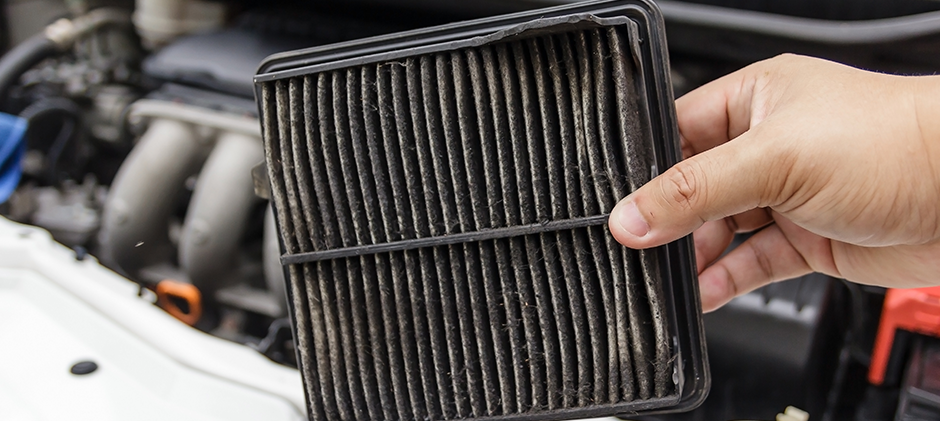
8 Signs of a Bad Engine Air Filter
Symptoms usually show up one at a time, not all at once.
1. Sluggish acceleration
If throttle response feels dull, restricted airflow may be the reason. The machine still runs, but it no longer pulls the way it should.
You will usually notice this first when climbing, pushing into a pile, or trying to accelerate under load. On dusty jobsites, this is often the first clue that the filter is loading up.
2. Higher fuel use
A clogged filter can make the engine run less efficiently, and that usually shows up at the fuel tank. If the same work suddenly takes more fuel, airflow is worth checking.
This does not always happen overnight. Sometimes it is a slow change that only becomes clear when fuel cost starts looking wrong for the hours logged.
3. Rough idle or hard starting
When the filter is badly restricted, idle can get uneven and starting can take longer than normal. Some machines may shake more at low speed or stumble right after startup.
These symptoms can also point to fuel or ignition problems, but check the filter first—it is the cheapest thing to rule out.
4. Popping or coughing from the engine
A dirty filter can contribute to incomplete combustion, and that can show up as popping or coughing sounds. If those noises appear during acceleration or under changing load, the intake side deserves a look.
Not every odd engine sound comes from the filter, but this is one of the simpler causes to eliminate early.
5. Black smoke from the exhaust
Black smoke usually means the engine is getting more fuel than it can burn cleanly. A clogged filter can help create that condition by limiting the air supply.
If you see black smoke, pull the filter and check the intake. If the filter is heavily loaded, replace it before chasing bigger problems.
6. Fuel smell at the exhaust
A fuel smell alone does not prove it is the filter. But if the smell shows up with rough running or weak power, the filter is probably part of it.
This usually points to fuel not burning as completely as it should.
7. Check engine light
Yes, a bad engine air filter can trigger a warning light. This usually happens when the restriction becomes severe enough to affect airflow readings or contribute to a misfire.
ECMs can mask mild restriction, so the light often shows up later than the real problem. If the machine is already running poorly, do not wait for the light before checking the filter.
8. Visible dirt buildup on the filter
Sometimes the answer is obvious. Pull the filter out and look at it.
A clean filter is usually light in color. If it looks dark, packed with fine dust, or plugged with debris, replace it. Holding it up to a light can help too. If almost no light passes through, it is done.
Quick Symptom Check
| Symptom | Likely issue | Check first |
|---|---|---|
| Weak acceleration | Restricted intake airflow | Air filter, intake path |
| Rough idle or hard starting | Unstable air-fuel mix | Spark plugs, intake leaks, filter condition |
| Black smoke | Rich running or poor combustion | Intake restriction, filter |
| Fuel smell | Incomplete combustion | Ignition condition, filter |
| Check engine light | Airflow or misfire issue | Fault codes, sensors, intake side |
| Popping or coughing | Uneven combustion | Intake system, spark plugs |
Why Do These Symptoms Happen?
The cause is simple: a dirty filter lets less air into the engine.
That sets off a chain reaction:
- Dust loads the filter
- Airflow drops
- Combustion gets less efficient
- Power falls, and fuel use rises
If the restriction gets bad enough, the engine may start leaving behind soot and carbon. That can foul plugs, affect idle, and make the machine feel uneven under load. Turbocharged engines can also lose response because the intake side is no longer flowing as it should.
Different engines react differently—some hide the problem longer than others.
How to Check and Fix the Problem?
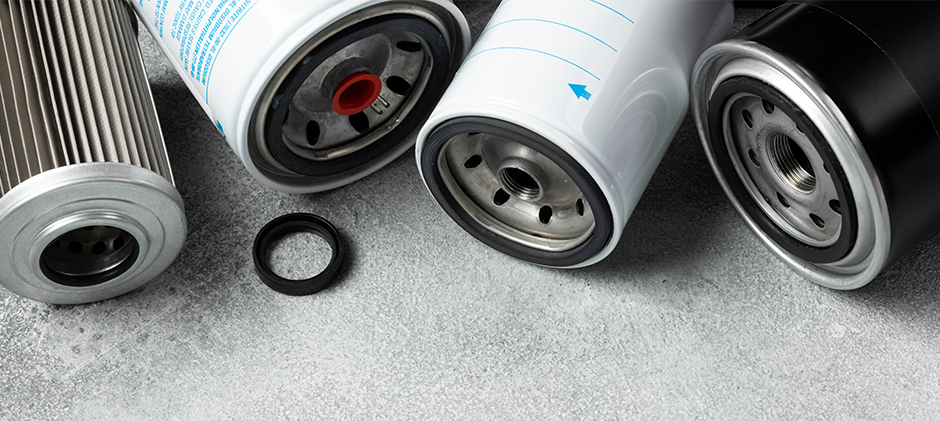
Before replacing sensors or digging into deeper faults, inspect the intake side first.
Start with these 3 checks
- Pull the air filter and inspect it for packed dust, dirt, or oil contamination.
- Check the intake system for cracks, loose clamps, damaged seals, or dirt bypass inside the air box.
- Look at how the machine runs after startup. Smoke, rough idle, and weak throttle response can help confirm the problem.
If the filter is dirty, replace it first and test the machine again.
Parts that may also need attention
If the symptoms stay after a new filter goes in, look at nearby parts that affect intake and combustion. Depending on the machine, that may include the hose or spark plugs.
If you work in dust every day, keep a spare engine air filter around. It saves time, and it beats waiting on parts when a machine is already down.
A fresh filter fixes a lot of airflow problems, but only if the intake box seals properly and the rest of the intake path is in good shape.
When Should You Replace the Filter?
Replacement interval depends on where you work, not how long it has been sitting in the machine.
Check the filter sooner if:
- The machine works in dust or fine debris every day
- Power has dropped for no clear reason
- The filter looks dark and packed with contamination
For equipment that works in harsh conditions, service hours are a better guide than mileage. The safest schedule is the one in the manufacturer’s maintenance manual, then adjusted based on the actual environment. In very dusty conditions, a filter may need inspection far earlier than the standard interval.
Mistakes That Cause Trouble
A few habits tend to make this problem worse:
- Running too long because the machine still “feels mostly fine”
- Knocking out a badly loaded filter and putting it back in
- Replacing the filter but never checking the air box seal
- Jumping straight to sensor replacement before inspecting the intake
- Waiting for smoke or a warning light before doing anything
You are not just clearing airflow—you are keeping dirt out of the engine.
Final Words
Most filter problems do not show up all at once. Power drops first, idle gets rough, then smoke may follow. Check the filter first. If you need a replacement, FridayParts stocks air filters and other maintenance parts for a wide range of heavy equipment brands.
